Casino data protection: the file an offshore operator keeps about you
Verification turns an anonymous account into a file. The documents that satisfy a KYC check — photo ID, an address proof, a card image, sometimes a bank statement and a written account of where the money came from — do not disappear once the withdrawal clears. They sit on infrastructure the operator chose, under a retention rule set by the jurisdiction that licensed it, beside a second file nobody uploads: session logs, device fingerprints, a stake-by-stake ledger and whatever risk flags the platform has attached to you. The Privacy Act is built around entities with an Australian link, and an offshore operator is structured to have none. Here is the inventory, the recipients, the clock, and the point where Australian law stops reaching.
Pokies Cashout · Payments and terms referencePublished Last reviewed Promotion figures supplied by site owner: 5 October 2026
Data you upload
ID, address proof, payment proof, source of funds
Data you never see
Session logs, device fingerprint, risk and affordability flags
Retention after closure
Set by the operator's AML rules — read the policy, not a guide
Australian deletion right
No general right to erasure under the Privacy Act
Breach notification
NDB scheme binds APP entities; offshore reach is the open question
Operator status
Offshore. ACMA's position: these services cannot lawfully be provided here
What the file contains once verification closes
Six layers, four of which you supply. Identity: a passport or licence image and the details read off it. Address: a utility bill, statement or government letter inside the operator's recency window. Payment: a card image masked to the operator's own specification, or a statement page proving the funding account is yours. Source of funds, on larger activity: payslips, a tax notice, a written explanation.
The layers you never upload are bigger. Behavioural: login times, session length, deposit and withdrawal history with timestamps, stake-level play, bonus claims, every chat transcript. Technical: IP addresses, derived geolocation, device and browser fingerprints. And a sixth you cannot see at all: risk scores, affordability flags, bonus-abuse markers, and link analysis joining your account to others sharing a device, address or payment instrument.
Identity, address, payment and funds are visible in your own upload history; behavioural and technical surface only as transaction history; the derived layer is invisible. That layer decides whether a withdrawal pays promptly or routes to manual review, and you cannot correct a flag you do not know exists.
A breach is scored on the worst layer in the set, not the average. An email address is a nuisance; the same record joined to a licence image, a residential address and a statement page is an identity-theft kit, because everything needed to open credit in your name sits in one row. Keep a dated note of which operator received which document. What each request legitimately covers is at /kyc/accepted-documents/.
Sponsored partners · Display order is not an independent ranking.
18+ only. Availability depends on your location and eligibility. Any promotion is subject to the operator's live terms, including wagering, eligible games, maximum bets, expiry and cashout limits where applicable. Deposit and withdrawal methods, processing times and limits are set by the operator and its payment providers and are not guaranteed here. Offshore operator; not licensed to offer online casino services in Australia. Gambling involves financial risk. Checked: 2026-10-05. 18+. Gambling involves financial risk.
18+ only. Availability depends on your location and eligibility. Any promotion is subject to the operator's live terms, including wagering, eligible games, maximum bets, expiry and cashout limits where applicable. Deposit and withdrawal methods, processing times and limits are set by the operator and its payment providers and are not guaranteed here. Offshore operator; not licensed to offer online casino services in Australia. Gambling involves financial risk. Checked: 2026-10-05. 18+. Gambling involves financial risk.
Where the data physically sits, and why that decides the rest
Three questions get collapsed into one. Who controls the data — the company that decides what happens to it, and whose name belongs on a request. Where is it hosted, often a different country from the controller. And who are the processors, each in its own jurisdiction. A policy answering only the first has answered a third of the question.
The brand you log into, the licence holder, the platform provider and the payments entity can be four legal persons in four places. Where this network has recorded operator details, the pattern is a company registered in one jurisdiction holding a licence issued by another — so the footer name, the policy name and the name on your bank statement may not match. The controller named in the policy is where a request goes.
The law governing that file is primarily the law where the controlling entity sits, not where you sat when you uploaded. Australian residency gives you an argument that Australian law should apply; it does not give you a forum that can compel an entity with no presence and no assets here.
Establishing the answer takes five minutes, before the first upload. The footer gives the registered company name. In the privacy policy find the controller clause, the data-protection contact, the retention clause and the cross-border transfer clause; in the terms, the governing-law clause, since that is the forum any claim runs in. A policy naming no entity, offering no contact beyond a support widget and stating no retention period has told you there is no process to appeal to.
Where the data physically sits, and why that decides the rest
What the Privacy Act reaches, and the point where it stops
Australian privacy law runs on the Privacy Act 1988 and its thirteen Australian Privacy Principles, administered by the Office of the Australian Information Commissioner. Five matter here: APP 1 requires an open, current privacy policy; APP 6 limits use and disclosure to the purpose of collection; APP 8 imposes accountability for data disclosed overseas; APP 11 requires reasonable security and destruction of data no longer needed; APP 12 and 13 give rights of access and correction.
The Act is not purely domestic. It extends to overseas entities with an Australian link — broadly, carrying on business here and collecting personal information here — so an offshore casino taking Australian players' documents looks like a candidate. The gap is enforcement, not drafting. Powers bite on a business with local staff, local accounts or a conditionable licence; against an entity with none, a determination is a document that can be ignored.
ACMA's position is that online casino services cannot lawfully be provided to people in Australia. So the ask is for a regulator to enforce privacy obligations against a business whose core activity is already prohibited here, and which already ignores the more prominent law.
That does not make a complaint pointless; it changes what you file it for. A complaint to the OAIC creates a dated official record that a named entity held your data, useful later if a credit application is disputed. It will not delete a passport scan from a server in another hemisphere. Leverage sits elsewhere: the operator's licensing complaints route, and the payment and software partners whose own compliance obligations make them sensitive to being named.
Sponsored · WinCrown · 18+
200 free spins on selected slots
WinCrown free-spin offer. Check the eligible slots, qualifying deposit and full promotion conditions.
The eight privacy policy fields to read before you upload
Read for eight fields and skip the rest. The named controlling entity, with registration number and address. A working data-protection contact — an address, not a support widget. The stated purposes of collection. The retention period, as a number and a trigger. The categories of recipients, named where possible. The countries data may be transferred to. The mechanism for access, correction and deletion. A security description naming something concrete.
Retention clauses come in three shapes and one is informative. A stated number of years running from the end of the relationship or the last transaction can be acted on. "As long as necessary for the purposes described" commits the operator to nothing. "As required by applicable law" at least names the driver, AML record-keeping, but leaves you to find the number. Where none is given, plan on the file being permanent.
Cross-border clauses reward slow reading. The useful version names the countries and the recipient categories and states the safeguard relied on. The common version says data may go to countries that may not provide the same level of protection, treating your continued use as consent. That is a disclaimer, not a safeguard.
Four red flags: no named legal entity anywhere; no contact for data matters beyond live chat; a blanket line about sharing with partners and affiliates, no categories given; and copied European boilerplate, complete with rights that exist only in the European Economic Area, applied unaltered to a site serving Australians. Where a lobby surfaces any of this, the furniture tends to sit in the same two places in both the Safe Casino and WinCrown interfaces — a privacy link in the account area and a verification task in the cashier — a note on where to look, not a statement about how either handles documents.
Conditions are published by the operator and change without notice. Read the live page before you act on anything here.
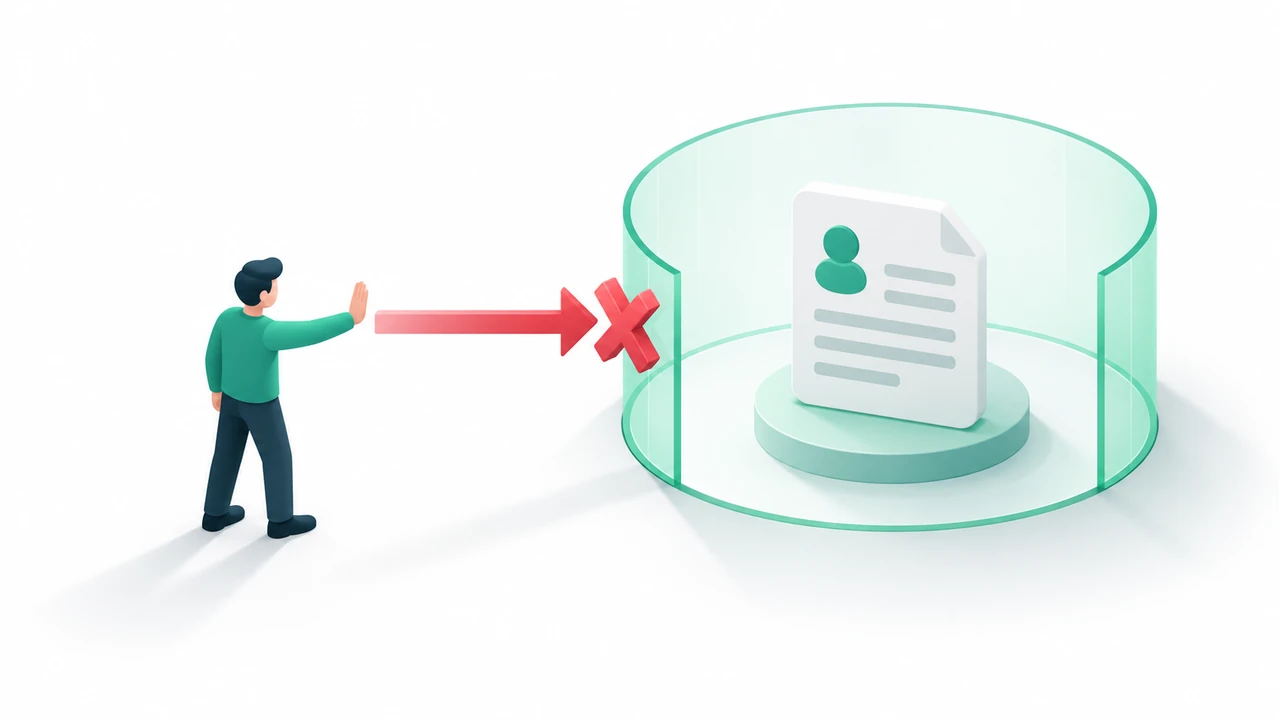
Closing an account does not delete the file, and is not meant to. Closure ends your access, stops marketing and prevents further play. It does nothing to the stored documents, because the reason they are held is a record-keeping obligation that exists whether or not you remain a customer.
The driver is anti-money-laundering record keeping. Every licensing jurisdiction imposes one, requiring identification and transaction records to be kept for a set period, usually running from the transaction or the end of the customer relationship. The number sits in the operator's privacy policy or its licensing jurisdiction's rules. This page will not guess it: one jurisdiction's figure is not another's, and Australia's would be doubly wrong, since an offshore casino is not an Australian reporting entity.
Run the arithmetic. If retention runs from your last transaction, depositing once a year for four years restarts the clock four times, so the file's life is the retention period plus the four-year activity span. One transaction in year four of a dormant account resets it again. An account you occasionally log into is a file you are quietly renewing.
Two categories are held longer, both defensibly. Self-exclusion records are kept so a re-registration can be refused, which is the record's whole function. Records attached to a dispute or a regulatory enquiry are held until that closes, usually undisclosed to you. What BetStop covers, and what it does not reach offshore, is at /safety/betstop-self-exclusion/. That sets the ceiling on a deletion request: marketing layers can move, the AML core has the best-founded refusal.
The retention clock that outlives the account
Who else gets a copy: processors, payment rails and affiliates
Four categories of third party touch the data and see very different slices. Platform and game aggregators run the lobby and see a player identifier and play data, not documents; how those titles behave once loaded is pokiesalmanac.com's subject, and what matters here is only that the aggregator's slice stops at identifiers and events. Payment providers see transactions and whatever identity data the rail requires. Verification vendors see the documents themselves. Marketing and affiliate systems see events and identifiers.
The verification vendors are where the sensitive layer lands. Many operators do not inspect documents in-house: the upload goes to a specialist running document authentication, a liveness check on a selfie, and sanctions screening. So the company holding your passport image may be one you have never heard of and cannot find named in the policy. The request to make is direct — name the processors that received my identity documents, and their countries.
On the payment side flows run both ways. The operator passes the rail enough to settle; the rail passes back confirmations and sometimes identity data of its own — the account name a transfer resolved to, the issuing bank, the result of a name check. So the rail you pick changes the depth of the file, not only the speed of the payout: /kyc/payment-method-proof/.
Affiliate tracking is least sensitive and most persistent. A click identifier follows you from a review page into a registration and a postback reports the signup, linking your account to a browsing trail that began elsewhere. No documents move that way; the fact of you does, which is enough for phishing that knows your brand and roughly when you joined. Decline optional marketing consents at registration rather than unsubscribing later, and non-essential cookies on first load.
Sponsored · Safe Casino · 18+
+250% welcome bonus
Safe Casino welcome offer. Check the qualifying deposit, bonus cap, wagering and eligibility before accepting.
Document hygiene: how to send an ID without sending extra
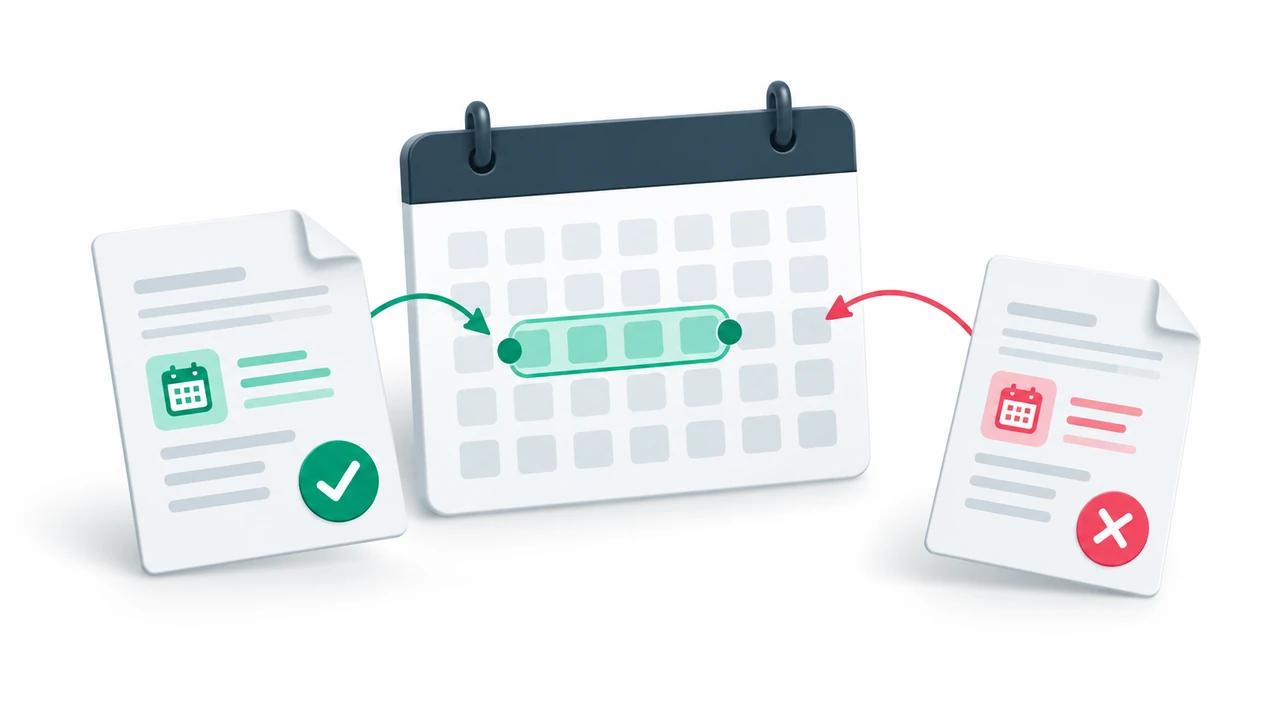
Send exactly what the request names. Verification requests usually specify which fields must be legible — name, address, date, document number, last four digits — and anything outside that list has no stated purpose. The common mistake is generosity: a full bank statement sent when the request asked for the header page, and four months of spending joins the file permanently.
Redaction has a workable rule: cover what is not on the field list, leave legible everything that is. On a statement that usually means unrelated transaction lines and often the balance, while the holder's name, the address and the account identifier matching the deposit must stay. On a card image the masking specification belongs to the operator — follow its wording, because over-redaction is the commonest cause of a rejection.
A phone photo can carry GPS coordinates, device model and a precise capture timestamp in its EXIF data, none of it requested; re-saving through a screenshot discards most of it. Filenames publish too — a file named with your full name and date of birth has disclosed both before anyone opens it. A "supplied to [brand] for verification, [date]" overlay reduces resale value, but check first, since some operators reject any altered image.
Channel discipline matters more than any of it. Upload inside the logged-in account, on the operator's own verification page, never as an email or chat attachment — not even when the message appears to come from the operator and the underlying request is genuine. A request to send documents by reply, through a messaging app or via a link in an email is the commonest shape of document theft here: /safety/scam-warning-signs/.
Reducing the footprint before you create it
The only data that cannot leak is data never collected, so the real controls sit before the first deposit: how many operators hold a file on you, which rail you use, and what you consent to at registration.
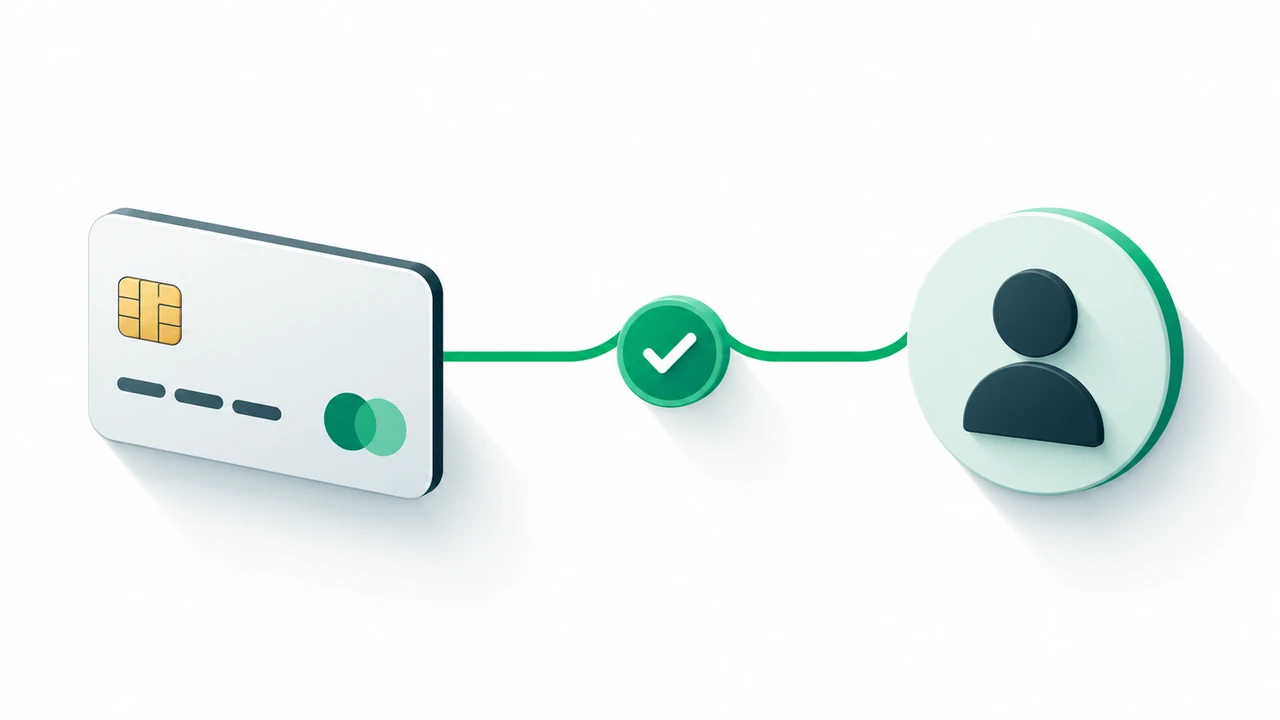
Rail choice decides which documents get requested — a comparison, not a ranking. Prepaid vouchers keep bank identity out of the deposit but are deposit-only, so the withdrawal needs a second rail with its own verification. Cards tie an instrument to the account and commonly attract a card-image request. Bank transfer and PayTo link your actual bank identity, the deepest link but often the one that satisfies a payment-method proof in one step. Crypto substitutes a wallet address and an on-chain trail, public and permanent in a way an account number is not.
No rail avoids verification at withdrawal. Every operator that pays out verifies identity first, so the rail decides which document and when, not whether. Anyone describing a payment method as anonymous is describing a deposit, not a payout. The sequence itself is at /kyc/id-verification/.
Account count is the underrated control. Breach probability is per-operator and roughly independent, so three accounts is about three times the exposure, with three copies of the same documents under three retention clocks. Registering at a fourth site for one offer is a permanent data decision made for a temporary benefit. Comparing operators before committing documents to one is pokiesledger.com's subject rather than ours.
Making an access or deletion request, and what comes back
Run it as five steps. Identify the controlling entity from the privacy policy, not the brand name. Send to the contact address that policy gives, from the email on the account. State item by item what you are asking for. Give a reasonable response date. Keep the thread with its timestamps, the only artefact that survives an unanswered request.
Ask for specifics; a vague request earns a vague reply. Name these: the categories of personal information held about me; copies of the identity and address documents you hold; the retention period applied to each and the obligation it rests on; the third parties that received my data, and their countries; and any risk, affordability or restriction flags on my account. The last produces the most valuable answer, because the derived layer is otherwise invisible.
Three outcomes. A substantially full response shows a functioning process and gives you something to check against your own upload index. A partial response giving categories but refusing the documents is the common case, and not necessarily bad faith. Silence is also an answer: there is no process.
One legal point gets misstated constantly. Australian privacy law gives a right of access and a right to seek correction, not a general right to erasure. The destruction or de-identification duty under APP 11 is an obligation on the entity once information is no longer needed, not a request right you can exercise at will — so a demand for deletion under the Privacy Act overstates the Act. The request that usually succeeds is the smallest: withdraw marketing consent, made separately from any access request. If the account rather than the data is the problem, that route is at /kyc/account-closure-and-funds/.
Breach notification, and the Australian bodies with a role
Australia's Notifiable Data Breaches scheme sits inside the Privacy Act: an entity covered by the Act that suffers unauthorised access, disclosure or loss of personal information likely to cause serious harm must assess it, notify the Commissioner and notify those affected. Nothing in the scheme produces a notification from an entity that decides not to send one, so the planning assumption offshore is that you will not be told.
The signal arrives from elsewhere: a breach-indexing service that lets you check an email address, a credential-stuffing attempt on a reused password, phishing that names the brand and knows when you joined, or a credit enquiry you did not make. One cheap technique turns that into evidence — a unique email alias and password per operator. Mail arriving at one operator's alias from anyone else dates the leak and names its source.
Order of operations, because the time-sensitive steps come first. Secure the money rail: tell your bank or card issuer, change the password and enable a second factor anywhere a credential was reused, and read the account's own login and withdrawal history for activity that is not yours. Then IDCARE, the national identity and cyber support service, free for individuals, which builds a response plan for what was actually exposed.
Where identity documents were in the set, request a credit reporting ban from each of Australia's credit reporting bodies: a ban stops new enquiries being actioned against your file, which blocks an application made in your name. The initial period is short and extendable, each bureau runs its own process, and the current figures belong on each bureau's own page rather than in any guide.
Then the records, each doing a different job. ReportCyber creates the police report a bank or credit provider may later ask for. Scamwatch, at the National Anti-Scam Centre, takes the intelligence if the leak turned into an approach. A complaint to the OAIC creates the privacy record against the named entity. The ACMA complaint concerns the illegal service itself and recovers nothing. None of them retrieves the file, which is the argument for every control above.
What the file contains once verification closes — at a glance
Questions people actually ask
Does Australian privacy law protect my data at an offshore casino?
Partly on paper and very little in practice. The Privacy Act is drafted to extend to overseas entities with an Australian link, and the Australian Privacy Principles cover security, cross-border disclosure, access and correction. But enforcement needs a target with local presence, assets or a conditionable licence, and an offshore operator is structured to have none of those. ACMA's position is that these services cannot lawfully be provided to people in Australia at all, so the request would be to enforce privacy obligations against a business already outside the more prominent law.
Can I make a casino delete my ID documents?
Usually not the identity and transaction core, and the reason is legitimate rather than evasive: AML record-keeping obligations in the operator's licensing jurisdiction require those records to be retained for a set period. What is realistically available is the optional layer — marketing consents and profiles, analytics identifiers, optional profile fields, sometimes chat history. Note too that Australian law gives a right to access and to seek correction, not a general right to erasure, so a request framed as a deletion demand under the Privacy Act overstates what the Act provides.
How long does a casino keep my data after I close my account?
Longer than the account, and the number comes from the operator's own policy or its licensing jurisdiction's AML rules. This page will not guess it: one jurisdiction's figure is not another's, and Australia's own number does not apply to an entity that is not an Australian reporting entity. Read the retention clause for a period and a trigger. If it runs from your last transaction, every new transaction restarts the clock, so a dormant account you occasionally use is a file you keep renewing.
Will I be told if an offshore casino is breached?
Plan on not being told. Australia's Notifiable Data Breaches scheme requires entities covered by the Privacy Act to assess an eligible breach and notify both the Commissioner and the affected individuals, but the same reach problem applies — nothing in the scheme produces a notification from an entity that decides not to send one. In practice the signal arrives elsewhere: a breach-indexing service, a credential-stuffing attempt on a reused password, brand-specific phishing, or a credit enquiry you did not make.
What does the operator hold besides my documents?
Two layers you never upload, plus one you cannot see. Behavioural: login times, session length, deposit and withdrawal history with timestamps, stake-level play history, bonus claims and every support chat transcript. Technical: IP addresses, derived geolocation, device and browser fingerprints, cookie and app identifiers. Derived: risk scores, affordability or responsible-gambling flags, bonus-abuse markers, and link analysis joining your account to others sharing a device, address or payment instrument. The derived layer is normally invisible to you and often decides whether a withdrawal is paid promptly or sent to manual review.
Does the payment method change how much data they hold?
It changes which data, not whether. Prepaid vouchers keep bank identity out of the deposit but are deposit-only in practice, so the withdrawal rail brings its own verification. Cards usually attract a card-image request. Bank transfer and PayTo link your actual bank identity. Crypto substitutes a public, permanent wallet address and on-chain trail for a bank identity. No rail avoids identity verification before a payout, so any claim that a method makes an account anonymous is describing the deposit only.
What should I do first if I think my casino data has leaked?
Secure the money rail first: tell your bank or card issuer, change the password and enable a second factor anywhere a credential was reused, and check the casino account's own login and withdrawal history. Then contact IDCARE, which is free for individuals and builds a response plan for what was actually exposed. If identity documents were in the set, request a credit reporting ban from each credit reporting body separately — the initial period is short and extendable, and each runs its own process. Then create the records: ReportCyber for the police report, Scamwatch for scam intelligence, a complaint to the OAIC against the named entity.
How do I send verification documents without over-sharing?
Send only the fields the request names, and cover what is outside that list while leaving the named fields legible — on a statement that usually means the holder's name, address and the account identifier stay visible. Follow the operator's own masking specification on card images rather than your own, since over-redaction is the commonest cause of a rejection. Re-save phone photos to strip EXIF data including GPS and capture time, and keep your name and date of birth out of the filename. Upload only inside the logged-in account, never as an email or chat attachment, even when the underlying request is genuine.