18+ only. Availability depends on your location and eligibility. Any promotion is subject to the operator's live terms, including wagering, eligible games, maximum bets, expiry and cashout limits where applicable. Deposit and withdrawal methods, processing times and limits are set by the operator and its payment providers and are not guaranteed here. Offshore operator; not licensed to offer online casino services in Australia. Gambling involves financial risk. Checked: 2026-10-05. 18+. Gambling involves financial risk.
18+ only. Availability depends on your location and eligibility. Any promotion is subject to the operator's live terms, including wagering, eligible games, maximum bets, expiry and cashout limits where applicable. Deposit and withdrawal methods, processing times and limits are set by the operator and its payment providers and are not guaranteed here. Offshore operator; not licensed to offer online casino services in Australia. Gambling involves financial risk. Checked: 2026-10-05. 18+. Gambling involves financial risk.
A casino account is a payment account with a game attached, and it gets attacked the way payment accounts get attacked. Nothing about the games matters to the person trying to get in; what they want is a funded balance, a saved payout destination, and an email inbox they can use to approve their own requests. This page sets out the second-factor options in the order they actually resist that, what session and device hygiene takes out of an attacker's reach, which cashier locks put enough time between a login and a payout for the payout to be stopped, and the harder question underneath: what happens to money that has already left under somebody else's instruction. That last part has no comfortable answer at an offshore operator, which is why the earlier parts are worth twenty minutes before anything goes wrong.
Pokies Cashout · Payments and terms referencePublished Last reviewed Promotion figures supplied by site owner: 5 October 2026
Scope
Account security and payout recovery
Strongest second factor
Hardware key or passkey, where offered
Weakest common factor
Email code - the inbox is the reset channel
Crypto payouts
Irreversible once confirmed
Operators
Offshore - not AU licensed
Audience
18+ only
The four routes into a casino account, and which one works most often
Credential reuse is the first route and by a wide margin the most productive. An address and password exposed in an unrelated breach is replayed automatically against hundreds of gambling sites at almost no cost. Nothing is cracked and nothing is guessed: the password was already correct somewhere else. A second factor shuts the route off entirely.
The second route is the email inbox rather than the casino. Take the inbox and the casino password stops mattering, because the reset link, the login alert and in many builds the one-time code all arrive there. An attacker holding the inbox is handed the gambling account rather than having to defeat it, which is why the recovery sequence below starts there and not here.
Third is the device: saved browser passwords, an autofill vault that never asks for a master credential, clipboard-reading software, and above all a stolen session cookie. That last one is the quiet case, because a valid session token presents as an already-authenticated user and is never challenged for a password or a code at all.
Fourth is the human layer - somebody persuading support they are you, or persuading you they are support. Phone-number porting sits here too, since moving a number to another carrier redirects every code sent by text. So does any message offering help with a stuck withdrawal or a bonus dispute, a standard approach covered at payment scam warning signs.
Second factors ranked by what each one actually stops
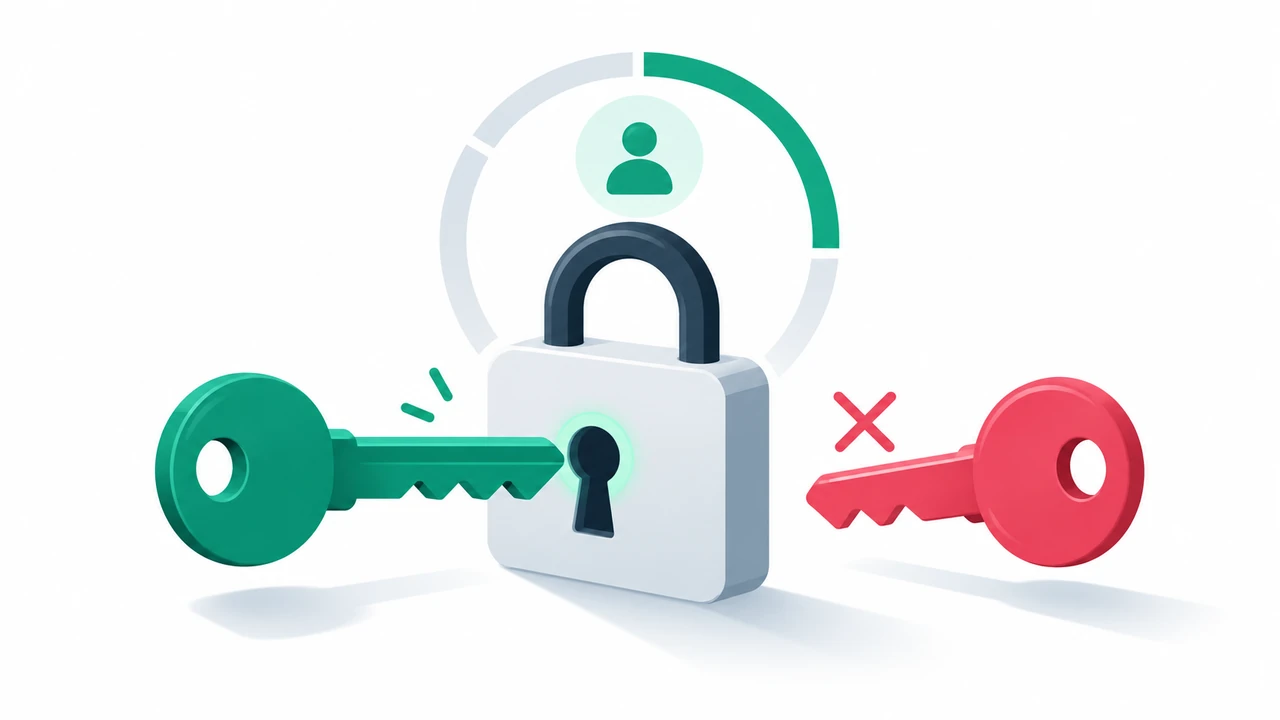
Four kinds are commonly offered and they are not interchangeable: a hardware security key or passkey; a code from an authenticator application; a code by text message; a code by email. Judge each on three criteria - whether it resists a convincing fake login page, whether it survives losing control of your inbox, and whether it survives losing control of your phone number. Which methods an operator supports varies by build, and the account's own security screen is the only authority on that.
A hardware key or passkey is the only one scoring on the first criterion, because the credential is cryptographically bound to the site's domain and will not produce a usable response to a lookalike address. Phishing defeats every code-based factor, so domain binding is the real upgrade rather than a convenience. The cost is practical: the registered device has to be present, so enrol a second method too.
An authenticator application derives a code from a stored secret, refreshing on a short fixed cycle, and needs no signal and no network. It defeats credential reuse outright and survives both an inbox compromise and a number port. What it does not defeat is a real-time phishing page that collects the code and replays it inside its validity window.
Text codes are the weakest of the device-based options, because the number is not yours in the sense that matters: a carrier can be persuaded to move it. Email codes rank last for a structural reason - the inbox is already the password-reset channel, so a factor delivered there is the same factor counted twice. Even so, a text code beats nothing by more than an authenticator beats a text code, so enrol whatever is offered and upgrade later.
Second factors ranked by what each one actually stops
Securing the inbox first, then enrolling without locking yourself out
Every recovery path in this industry terminates at the address on file. Password resets, new-device approvals, payout confirmations and in many builds the one-time codes all arrive there, which makes the inbox the senior credential and the casino password the junior one. Hardening the casino while the inbox still answers to a reused password is rearranging furniture in a house with the front door open.
The detail most people miss is persistence through rules. Brief access to an inbox is enough to create a forwarding rule, or a filter that silently files the operator's messages into an archive folder, and that configuration survives a later password change because it is not access. After a suspected compromise, read the mail rules, forwarding settings, connected applications and recovery contacts, not just the password.
A separate address used only for gambling accounts is worth the ten minutes: the volume is low enough that a message from an operator is conspicuous rather than buried. Keep the operator's alerts switched on even when they are noisy - a login alert, a new-device alert, a changed-email alert and a withdrawal-requested alert are the four messages that turn a silent takeover into a visible one.
Then enrol at the casino, and enrol two methods where the operator permits it. Where the flow offers recovery codes, paper is the right storage: keep them away from the phone the authenticator lives on, so one lost device does not take the factor and its escape hatch together. Test it the same day, because lockout here is not a password problem but a verification problem, and our verification delay guide explains why that queue does not resume where it stopped.
Sponsored · WinCrown · 18+
200 free spins on selected slots
WinCrown free-spin offer. Check the eligible slots, qualifying deposit and full promotion conditions.
Live sessions, saved logins, and the devices still holding your account
The most misunderstood point in the whole subject: changing a password does not necessarily sign anybody out. On many platforms an existing session token stays valid until it expires or until sessions are explicitly revoked, so an attacker already inside stays inside while you congratulate yourself on a strong new password. Revoking sessions ends their access; the password change stops them signing back in. Both, in that order.
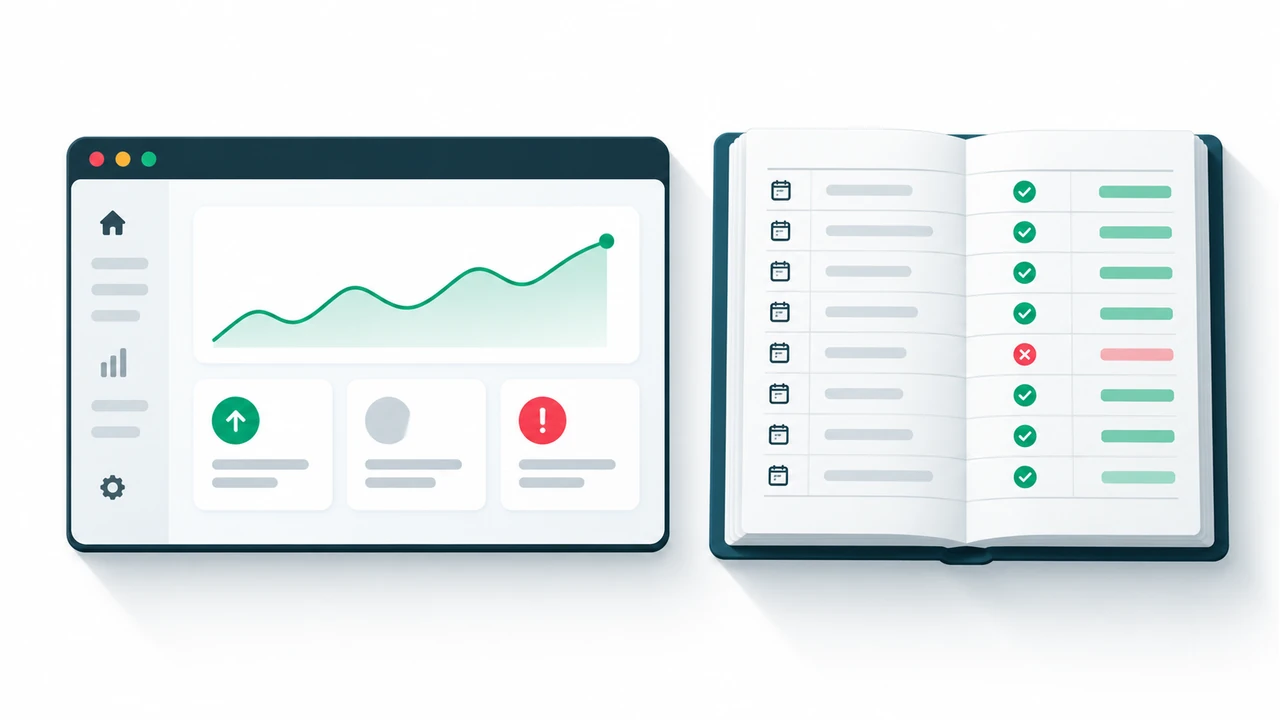
Find the active sessions or devices list in the security area and read it as a ledger rather than a setting. Entries you cannot account for - an unfamiliar location, a browser you do not use, a device you sold - are the clearest available signal, and they appear there before the balance moves. Whether an operator exposes such a list varies by build; where it does not, a password change plus a full sign-out is the blunt substitute.
On your own machines the weak point is convenience. A password saved in a browser profile that synchronises is a password stored in as many places as the profile reaches, and an autofill vault that never asks for a master credential opens for whoever is at the keyboard. Keep gambling credentials in something that locks instead.
Three device situations are forgotten rather than misjudged. The shared household computer, where a session left signed in is an account anyone in the house can fund or drain. The public or hotel machine, which should never see the account at all. And the device you no longer own - a sold phone never signed out and never wiped, carrying a live session for as long as the token lasts. One dull rule covers all three: fund and withdraw from one or two devices you control, and treat every other screen as read-only.
Conditions are published by the operator and change without notice. Read the live page before you act on anything here.
Cashier controls that put time between a login and a payout
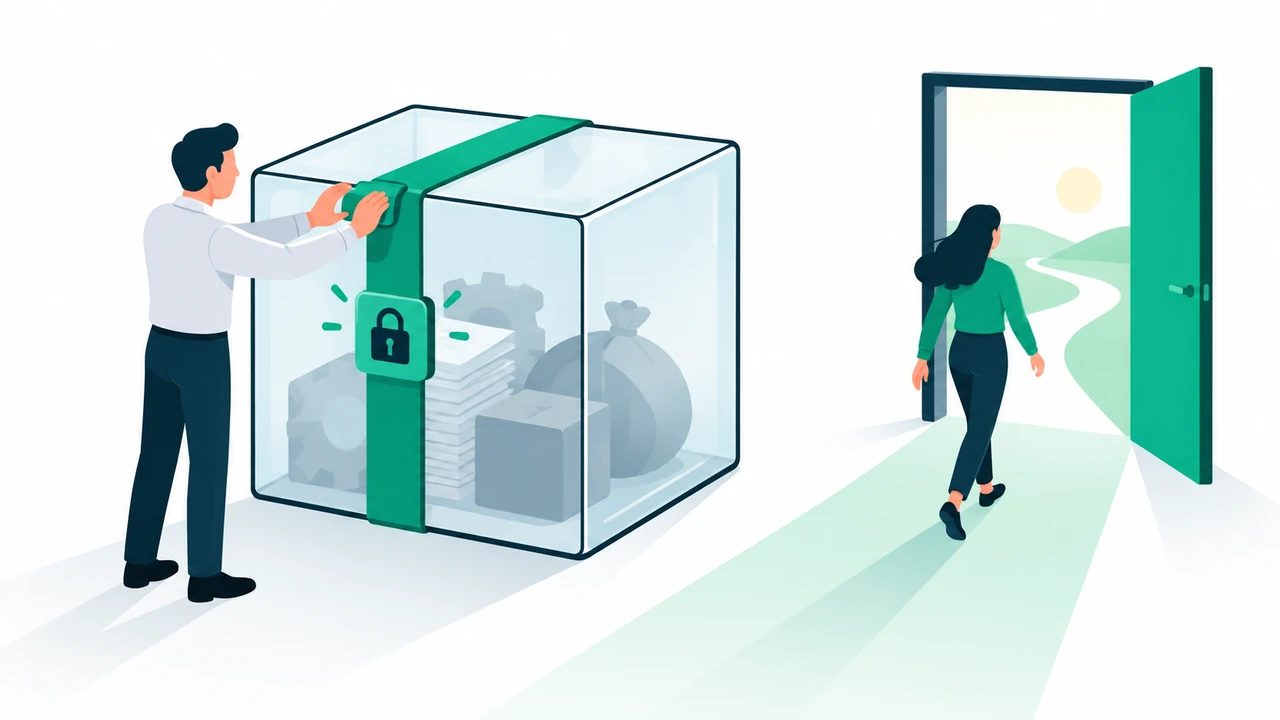
Account settings are half the defence; the other half lives in the cashier. The most valuable control is a payout destination that cannot be changed instantly - a whitelisted bank account or crypto address, or a rule paying only back to the depositing method. That return-to-source rule exists for anti-money-laundering reasons rather than for you, and is treated at payment method proof, but it is also the clause that most often sends a stolen payout back to your own account.
Where a cooling-off period applies before a newly added payout method can be used, the delay is the feature rather than the friction. It is the window in which an alert gets read, a session gets revoked and a freeze gets requested. Whether such a period exists and how long it runs is set per operator and published in the cashier or the account terms - a figure printed here with confidence would be wrong somewhere inside the month.
Withdrawal limits work the same way in reverse. A per-transaction or daily ceiling caps what can leave in one movement and forces a stranger to come back, multiplying their exposure to being noticed. The pending and reversal window is the other half of that and cuts both ways: a payout still in a reversible state is one you can have cancelled, which is the subject of pending and reversal.
Where this comes up at Safe Casino or WinCrown, the relevant switches sit in each site's own account security and cashier areas rather than anywhere in the game lobby, and what is offered there on the day you look is the version that governs. A list of controls copied into a comparison page elsewhere can be months stale while still reading as current, so check the live screen.
Cashier controls that put time between a login and a payout
The ledger entries that show a takeover before the balance moves
A takeover is almost never a single event. There is a sequence - a login, a contact-detail change, a payout-method change, then a withdrawal - and each step leaves a record and usually an alert, so whether you lose a balance turns largely on whether anybody was reading those records.
The highest-value signal is a change to a profile field you did not make: a new email address, a new phone number, a new password, a new payout destination. Every one of the four is a prerequisite for getting money out rather than a side effect of being in. An email saying your address has been changed, arriving at the old address, is the clearest warning this industry produces, and it is routinely deleted as spam because it is dull.
Transaction signals come next and are more varied than people expect. A small withdrawal you did not request, which is a stranger testing the route before committing. A deposit from a method you do not recognise, since funding an account makes a payout look like ordinary activity. A bonus claimed on your account, which attaches a wagering condition and can lock the balance in place.
Then there is the balance draining through play rather than through the cashier. Game history at times you were asleep, or titles you have never opened, is a takeover converting your balance into losses and leaving nothing to reverse; how a game itself behaves is not this site's subject, since pokiesalmanac.com covers mechanics, RTP and volatility. The habit that pays is a weekly two-minute pass over the transaction history and the device list: four checks a month cap an unnoticed compromise at about a week, against however long since your last cashout if you only look when withdrawing.
Sponsored · Safe Casino · 18+
+250% welcome bonus
Safe Casino welcome offer. Check the qualifying deposit, bonus cap, wagering and eligibility before accepting.
The first hour after you suspect a takeover, in order
Start at the inbox, not the casino, because anything you change at the casino can be undone by somebody still holding the email account. In the inbox: a unique new password, revoke all sessions, re-check the second factor, then read the forwarding rules, filters, connected applications and recovery contacts and remove anything you did not create.
Then the casino account, in this order. Sign out of all sessions or revoke all devices first. Change the password second. Re-enrol or re-confirm the second factor third. Check the payout destinations fourth. Doing the password before the revocation leaves a live session running behind the change, and checking the payout destinations is the step people skip - it is the one deciding where the next withdrawal goes.
Now write to the operator through the account's own message thread, never through a link in an email, and ask for specific things rather than reporting a feeling. Ask for the account to be frozen pending review; for any pending withdrawal to be held unprocessed; for the login and device history over a stated period; and for confirmation of the contact details and payout methods the account currently holds.
Handle the payment side in parallel, because it runs on a different clock. If a card or bank method is on file, tell the issuer what has happened and ask what can be stopped; if a wallet or exchange account was involved, secure that immediately, since a confirmed on-chain transfer is final. A chargeback is a distinct instrument with consequences of its own, dealt with at chargebacks rather than being a general remedy. Never pay anybody offering to recover the funds.
What happens to a balance someone else withdrew: three outcomes
There are only three places a stolen payout can be, and which one applies was largely settled before the breach by the account's configuration. Outcome one: the withdrawal is still pending, unprocessed or in review. This is the recoverable case, and it is why the first message asks for a hold on pending payouts before anything else. A request caught here is a cancellation rather than a dispute.
Outcome two: the money went to a destination that is yours - the whitelisted bank account, or the method the original deposit came from. It happens more often than people expect, because return-to-source rules and whitelists are common. The account was taken over and the balance moved, but it moved to you. The loss is time and exposure, not funds.
Outcome three is the bad one: the payout went to a destination the attacker added, and it has been processed. The practical question is which rail carried it. A confirmed cryptocurrency transfer is irreversible by design and no operator can claw it back - a property of the ledger rather than a policy - which is why crypto payout addresses deserve the strictest change controls available. Bank and card rails allow more investigation but guarantee nothing, on the payment provider's timeframe rather than the casino's.
Underneath all three sits a contractual point: operator terms commonly place responsibility for credentials, access and device security on the account holder, and some treat activity through a correctly authenticated session as the holder's own. How strictly that is applied is a question for the specific operator's terms, and no figure for how often such claims succeed appears here because none worth printing exists. The rule that falls out is clean - you cannot influence outcome three afterwards, only which outcomes were available before it.
Evidence, the written claim, and where an offshore dispute actually goes
Assemble the evidence before writing the claim, because a complete claim is handled once. The set is: alert emails with headers retained, screenshots of the login or device history and of the transaction history showing the disputed movement, a list of every profile field that changed with its time, and a timeline of what you did after noticing. Unambiguous dates throughout, with the time zone stated.
Write one numbered claim with a request attached to each point. What happened, with times. What you have already done. What you are asking for - the hold, the logs, the reversal, confirmation of current payout destinations. Keep the accusation out of it; the person reading did not take your account and has a process to follow. Ask for a reference number and an expected response time in the same message.
If the first reply does not resolve it, escalate inside the operator before going outside, and ask for the written complaints procedure. Most licensing frameworks require one to exist and to name an external dispute body, but which body and what it can compel depend on the jurisdiction. The Australian position matters here: ACMA's position is that online casino services cannot lawfully be provided to people in Australia, every operator referred to here is offshore, and the measures at BetStop self-exclusion and bank blocks on gambling do not reach a dispute with one.
Which operators are worth dealing with is not this site's subject; pokiesledger.com covers operator shortlists and bonus offers. Four things are deliberately not asserted here: no figure for any operator's cooling-off period, withdrawal limit or response time, since those are set per operator and revised without notice; no claim about which second factors a named operator supports; no estimate of how often a takeover claim succeeds; and no suggestion that any of this is licensed in Australia. Support is available in Australia on 1800 858 858, free and confidential; gambling is for adults only.
The four routes into a casino account, and which one works most often — at a glance
Questions people actually ask
What is the best two-factor option for a casino account?
A hardware security key or a passkey where the operator supports one, because the credential is bound to the site's domain and will not respond to a lookalike login page. Failing that, an authenticator application, which defeats credential reuse and survives both an inbox compromise and a phone-number port. Text codes rank below those and email codes last, since the inbox is already the password-reset channel. Which methods exist is a question for your account's own security screen.
Does changing my casino password log the attacker out?
Not necessarily. On many platforms an existing session token stays valid until it expires or until sessions are explicitly revoked, so somebody already inside can remain inside after a password change. Revoke all sessions or sign out all devices first, then change the password, then re-confirm the second factor, then check the payout destinations - in that order.
Why should I secure my email before the casino account?
Because every recovery path ends at the address on file: resets, new-device approvals and in many builds the one-time codes themselves. Anyone holding the inbox can undo whatever you change at the casino. Securing it also means reading the forwarding rules, filters, connected applications and recovery contacts, since a rule quietly filing the operator's alerts away survives a password change and keeps a takeover invisible.
Someone withdrew my casino balance - can I get it back?
It depends which of three places the money is in. Still pending or in review is the recoverable case, which is why the first request should be a hold on pending payouts. Paid to your own whitelisted method, or back to the depositing method, means it came to you. Paid to a destination the attacker added and already processed is the hard case, and a confirmed cryptocurrency transfer is irreversible by design. No recovery rate is quoted here because no reliable figure exists.
What should I ask the operator for in the first message?
Four specific things in one message rather than a general report: that the account be frozen pending review; that any pending withdrawal be held and not processed; the login and device history for a stated period; and confirmation of the contact details and payout methods the account currently holds. Include unambiguous times with the time zone, say which changes were not yours, and ask for a reference number. Send it through the account's own message thread, never through a link in an email.
Can an operator refuse a claim because my own credentials were used?
Operator terms commonly place responsibility for credentials, access and device security on the account holder, and some treat activity through a correctly authenticated session as the holder's own. How strictly that is applied is a matter for the specific operator's terms, which is where to read it. There is no Australian regulator to escalate such a refusal to, because ACMA's position is that online casino services cannot lawfully be provided to people in Australia and every operator referred to here is offshore.
What are the earliest signs of a casino account takeover?
A change to a profile field you did not make - email address, phone number, password or payout destination - because each is a prerequisite for moving money rather than a side effect of being logged in. After that: a small withdrawal you did not request, a deposit from an unrecognised method, a bonus claimed on your account, or game history at times and stakes that are not yours. A weekly two-minute read of the transaction and device lists caps how long any of it runs unnoticed.
Is a whitelisted withdrawal address worth setting up?
It is the single most useful control in the cashier, because it decides where a stolen payout can go rather than whether one can be requested. Combined with a waiting period before a newly added destination becomes usable, and with return-to-source payout rules, it pushes most incidents into the outcomes where the money comes back to you. Whether any of those controls is available, and on what terms, is set per operator and published in its cashier and terms.