Skrill for Australian casino deposits and withdrawals
Skrill sits between your bank and an offshore cashier as a separate account you fund first and spend from second. That extra hop changes three things people rarely price in: a charge can attach at each end of it, a payout returns to the wallet rather than to your bank, and a large share of welcome offers exclude e-wallet deposits outright. This page works through the legs of a round trip, the points where fees and conversions attach, how the exclusion clause tends to be worded, and the checks worth running before a deposit rather than after a payout has stalled. No fee amounts, limits or payout times are printed here: the provider, your bank and the operator each set their own, and all three change them without notice.
Pokies Cashout · Payments and terms referencePublished Last reviewed Promotion figures supplied by site owner: 5 October 2026
Rail type
E-wallet — a stored-value account, not a single payment instruction
Issuer
A payments company issuing electronic money; the entity and its regulator are named in the terms you accept
Round trip
Four legs — funding, deposit, payout, wallet exit
Bonus eligibility
Commonly excluded or repriced; the promotion's own conditions decide
Casino operators
Offshore — online casino services are not licensed in Australia
Audience
18+ only
What a Skrill deposit actually is
Cashiers print Skrill beside Visa and bank transfer, and the placement misleads expensively. A card is an instruction to your bank; a transfer moves value between two bank accounts. Skrill is neither: it is a stored-value account in your own name at a payments company, so a deposit out of it is a transfer between two accounts inside that company's books.
That is why the step a cashier advertises settles fast, and why everything costly sits either side of it. Money moves twice to reach a casino balance and twice more to come home: your bank or card funds the wallet, the wallet pays the operator, the operator credits the wallet back, and you move the balance out to something you can spend from.
No party answers for the others. Your bank and the wallet's risk checks decide leg one. The wallet and the operator's processor decide leg two. The operator alone decides leg three, since the pending window, the identity review and the finance approval all live there. The wallet and your receiving bank decide leg four.
What a wallet can be funded with, which currencies it holds and which payout methods exist per country are published by Skrill and all three change; take them from the provider's own site, not from a deposit tab describing only leg two. The real decision is whether to open a financial account with a third company, with its own terms, checks, fee schedule and a balance that outlives the session.
Sponsored partners · Display order is not an independent ranking.
18+ only. Availability depends on your location and eligibility. Any promotion is subject to the operator's live terms, including wagering, eligible games, maximum bets, expiry and cashout limits where applicable. Deposit and withdrawal methods, processing times and limits are set by the operator and its payment providers and are not guaranteed here. Offshore operator; not licensed to offer online casino services in Australia. Gambling involves financial risk. Checked: 2026-10-05. 18+. Gambling involves financial risk.
18+ only. Availability depends on your location and eligibility. Any promotion is subject to the operator's live terms, including wagering, eligible games, maximum bets, expiry and cashout limits where applicable. Deposit and withdrawal methods, processing times and limits are set by the operator and its payment providers and are not guaranteed here. Offshore operator; not licensed to offer online casino services in Australia. Gambling involves financial risk. Checked: 2026-10-05. 18+. Gambling involves financial risk.
Who holds the balance, and what an e-money authorisation covers
A wallet balance is electronic money, and the issuer operates under an e-money or payment-institution authorisation rather than a banking licence. The terms name the entity holding your account and its regulator, and which entity that is depends on where you registered. Confirm it on the regulator's public register if it matters: that entity, not the casino, is where a complaint about the wallet goes.
The authorisation is genuine and narrower than people read into it. It governs how a payments company issues and redeems electronic money and keeps customer funds separate from its own. It says nothing about gambling. The ACMA's position is that online casino services cannot lawfully be provided to people in Australia, and every operator listing this rail is offshore.
The second limit bites if a balance sits. Electronic money is not a bank deposit: an e-money issuer safeguards customer funds rather than holding them under a deposit guarantee scheme, so what stands behind your balance if the issuer failed is a different mechanism with a different outcome. Read the provider's own statement before parking money there.
Skrill is one brand inside a larger listed payments group, and the group's marketing name is not the counterparty on your agreement. The entity written into the terms is the one you contracted with, the one a complaint is addressed to, and the one whose regulator runs any external scheme. Note it when you open the account; it is harder to establish mid-dispute.
Who holds the balance, and what an e-money authorisation covers
Fees at each end: where the charges actually land
Up to three charges attach on the way in. Your bank may treat a transfer to a payments company as an ordinary purchase, or as a cash-like transaction with its own charge and no interest-free period. The wallet may levy an upload charge that varies by funding method, so card and bank funding are rarely priced alike. An operator may charge on the deposit, though most do not.
On the way out the same thing happens in reverse and usually costs more. The operator may apply a payout charge. The wallet charges the withdrawal to your bank under its own schedule. Your Australian bank may apply a receiving charge, particularly on money arriving from offshore. Three further deductions, all after the casino has approved the amount.
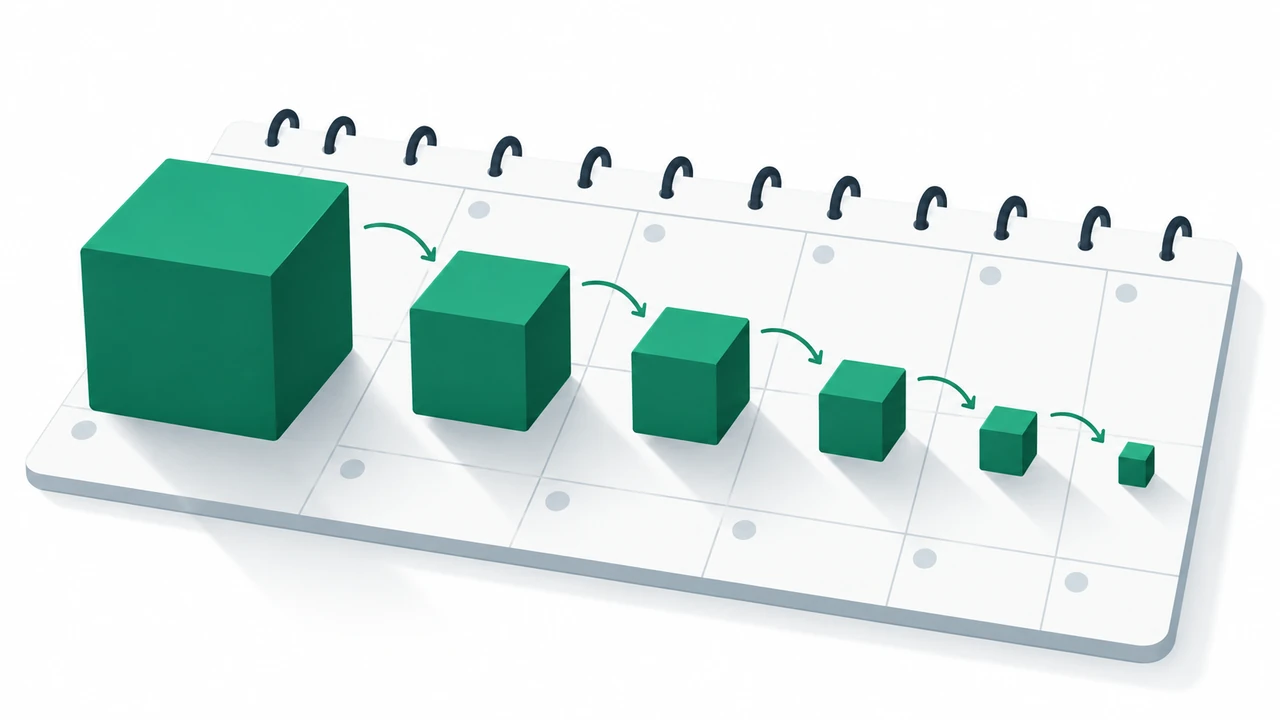
What decides whether any of it matters is percentage against flat. A percentage costs the same proportion whatever you move. A flat charge is brutal on small amounts and trivial on large ones, which is why a rail that looks cheap for a serious withdrawal is the dearest way to move fifty dollars. Convert every flat charge into a percentage of the amount you intend to move.
Three documents hold the authoritative figures and none quotes the others: the provider's fees page for upload, transfer and withdrawal charges in your region; your bank's fee guide for the funding treatment and any receiving charge; the operator's banking terms for whatever it deducts. Any guide printing those numbers prints a snapshot that is already stale.
Sponsored · WinCrown · 18+
200 free spins on selected slots
WinCrown free-spin offer. Check the eligible slots, qualifying deposit and full promotion conditions.
The expensive mistake on a wallet rail is holding the wrong currency, made once at setup and paid for repeatedly. A wallet opens in a choice of currencies, and the one you pick sets how many conversions a round trip buys. How a conversion is calculated, and which pairs cost more than others, sits on the provider's fees page beside its transfer tables.
Count them. An Australian dollar wallet funded from an Australian bank, playing in an operator account denominated in Australian dollars: none. An operator account held in euros or United States dollars: at least one, charged at the wallet or at the operator depending on which side converts, and sometimes one at each end. A euro wallet funded in Australian dollars and played in Australian dollars: two, to arrive where you started.
Hence the rule: hold the wallet in the currency the operator account is denominated in, and never let leg two carry a different currency at each end. That choice is made at setup and is awkward to unwind, because shifting a balance between two of your own wallets is itself a conversion.
Conversions are usually charged as a margin inside the rate rather than as a line item, which is why people careful about fees still miss them. Compare the rate you were given against the mid-market rate for that pair on the day; the gap, as a percentage, is the real cost, and it sits alongside any explicit charge. A payout in a currency your bank does not hold converts again on arrival.
Conditions are published by the operator and change without notice. Read the live page before you act on anything here.
This clause catches more people on this rail than fees and conversions combined. A large share of offshore welcome offers state that deposits made by named e-wallets do not qualify, and Skrill is routinely one of the named methods. The deposit goes through normally; it is the bonus that does not arrive, and the cashier gives no warning when you pick the method.
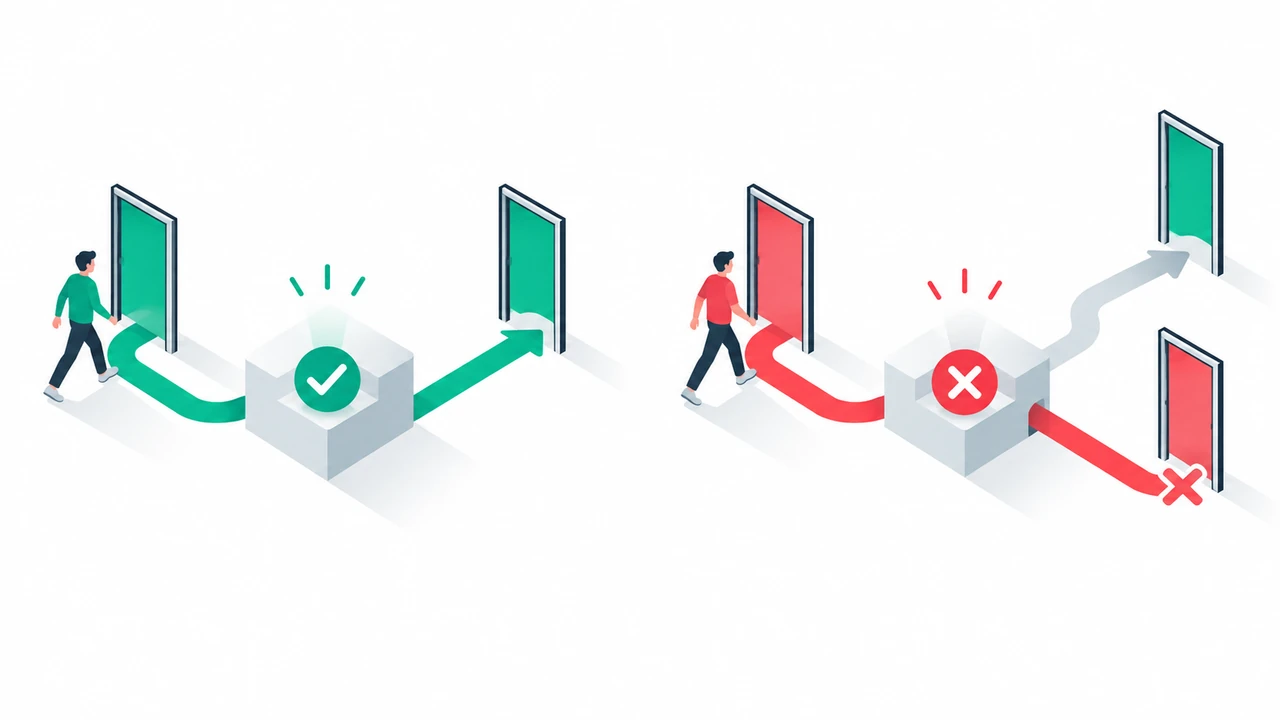
The exclusion takes three shapes that are not interchangeable. The hardest excludes the method from every promotion on the site. The common one excludes it from the welcome offer only, leaving reloads and cashback intact. The softest reprices instead: a lower match percentage, a higher wagering multiple, or a smaller maximum cashout for wallet deposits.
Timing matters as much as existence. Applied at the award step the clause is merely annoying: the deposit lands, no bonus appears, and you know where you stand in minutes. Applied at the withdrawal review it is far worse, because a bonus has been credited, wagered against and built on, and the derived balance is removed when finance notices the funding method.
Check two documents before depositing: the promotion's own conditions and the operator's general bonus terms, searching both for the method name and for excluded, ineligible and does not qualify. Silence on a promotion page is not evidence of no exclusion, since general terms often carry a default list. If the offer matters more than the rail, fund the qualifying deposit by an eligible method; which operators run which offers is pokiesledger.com's subject, not ours.
The bonus exclusion clause, and how it is worded
Closed-loop payouts: the wallet is a destination, not an exit
One rule governs almost every offshore cashier: funds return by the route they arrived on, up to the amount deposited. Deposit from a Skrill wallet and the payout is a credit back into that wallet. Quicker than a bank transfer, and not the same thing as being paid: the money sits with a payments company, in whatever currency the operator sent.
Getting it out is leg four, and the wallet sets the options there; the casino has no say. The methods a wallet pays out by are usually fewer than those it can be funded by, so a rail that got money in is not automatically one that gets money out. Check the exit options and their minimums for your own country before you fund anything.
Check too how an operator returns anything above your deposited total. Closed-loop rules commonly send the deposited portion back by the original route and the profit by another, often a bank transfer, so one request becomes two payments with different speeds, charges and sometimes verification. Ask which route each portion takes before submitting.
Nothing here establishes that any particular operator accepts this rail. If it is the rail you intend to use, open the live cashier and read its withdrawal tab — e-wallet rails of this general kind are among the options that turn up in lobbies such as Safe Casino and WinCrown, though what either currently supports is a question only its own cashier answers.
Sponsored · Safe Casino · 18+
+250% welcome bonus
Safe Casino welcome offer. Check the qualifying deposit, bonus cap, wagering and eligibility before accepting.
Two verification queues and three names to reconcile
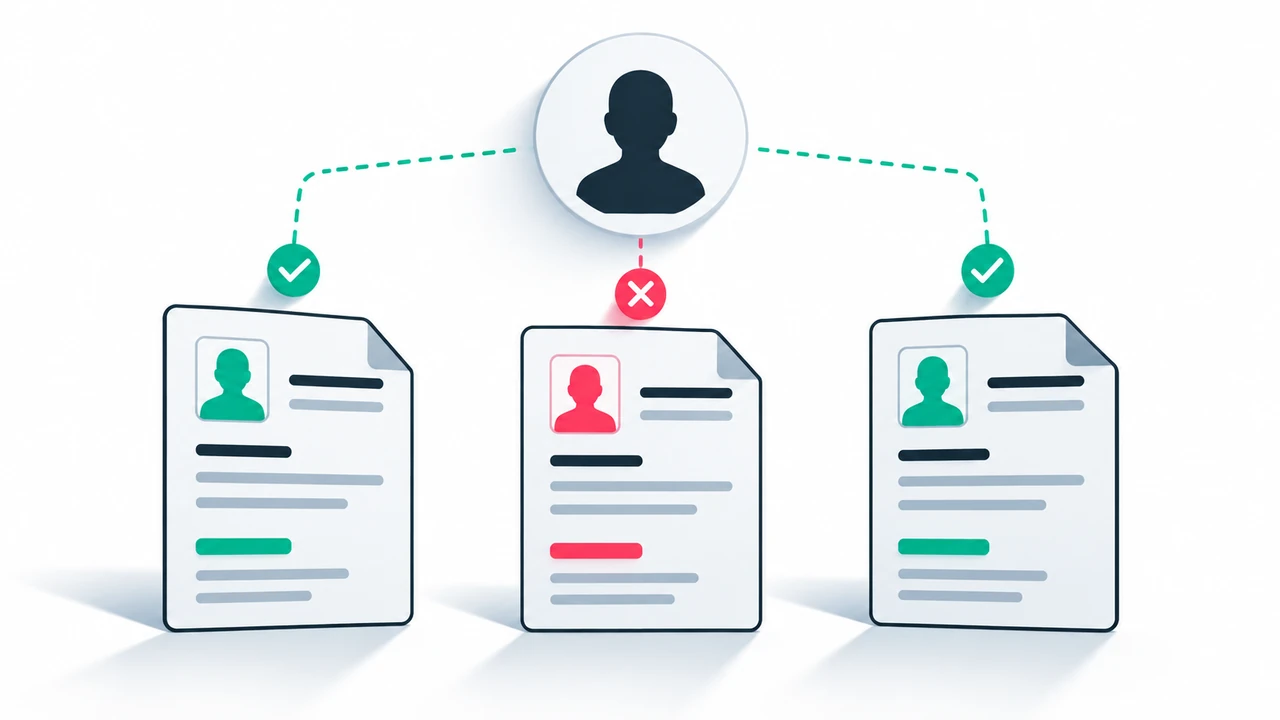
A wallet gives you three names to reconcile instead of two: the funding account or card, the Skrill account and the casino account all have to agree. A shortened first name, a middle name present in one place and absent in another, or a surname never updated after a change is enough to stall a payout at whichever party notices first.
Because the three check at different moments, you can clear leg two in seconds and fail leg three a week later. You also stand in two verification queues: the wallet and the operator verify you separately, to separate document standards, on separate timetables, with no shared register between them.
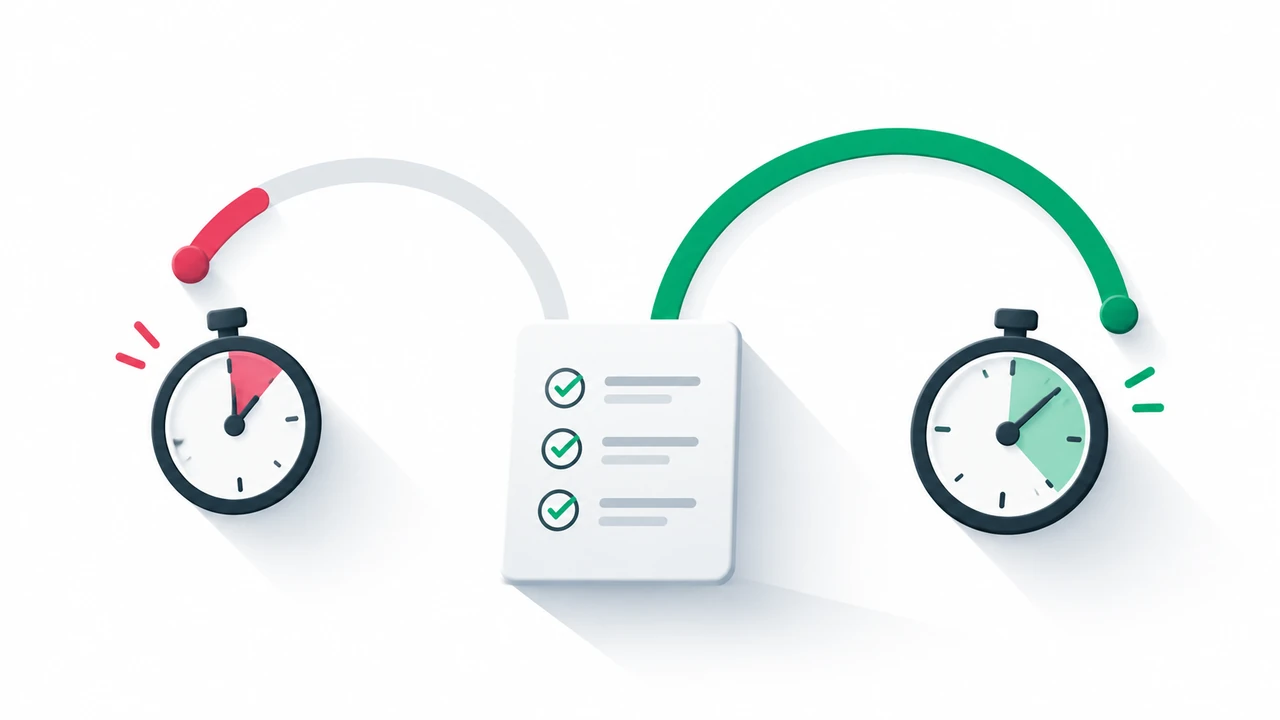
A payout held at the wallet and one held at the operator look identical from where you stand, since both present as a casino that has not paid. The fix is sequencing. Finish the wallet's verification when you open the account, not when a payout is pending, and read where limits sit before and after verification in the provider's own terms. Our casino ID verification page covers the operator side.
Address evidence fails most often, for a dull reason: a document must show the name and address as they appear on the account, be dated inside the recency window the terms state, and be legible at the corners. A statement photographed at an angle on a kitchen bench is rejected because the reviewer cannot read the issue date. Export or scan it and send the whole page.
What your bank statement shows, and the block it defeats
Funding a wallet produces a statement line naming a payments company; the casino does not appear on it. People choose this rail for that reason, so it is worth stating plainly: the wallet layer is the mechanism by which a card or bank gambling block fails to see the transaction. To the block, nothing about that leg looks like gambling, because nothing about it is.
Australian bank gambling blocks, and the credit card restrictions that apply to the domestic wagering sector, work by recognising a gambling merchant category. Online casino services sit outside that domestic sector entirely, so nothing in this paragraph should be read as describing a licensed casino. An intermediary that is not a recognised gambling merchant defeats that recognition by design. If you asked your bank for a block, routing around it is the most consequential decision on this page, and a protection you asked for is doing its job precisely when it becomes inconvenient.
There is a legitimate version of the same property. Preferring one intermediary to handing your card number or BSB straight to an offshore operator reduces how many parties hold your details. What it does not do is make the spending invisible: the wallet keeps a full transaction history and the funding leg is on your bank statement.
Privacy from a casino is not anonymity. Identity checks apply at the wallet as well as at the operator, so the payments company knows who you are and what passed through. Keep your own dated record of deposits, charges, conversions and amounts received: no single party's statement covers the whole trip, and only you can see all four legs.
A round trip costed out, with your own figures substituted
The rates below are placeholders, chosen only to show the shape of the calculation. They are not Skrill's charges, your bank's charges or any operator's charges, and none should be copied. Substitute the real figures from the three documents above. Start with A$500 on the way in: suppose the funding leg carries one per cent, so A$5 goes and A$495 reaches the wallet.
Suppose the operator charges nothing on the deposit, the common case, so A$495 arrives in the casino balance — one per cent spent before a single spin, with nothing on the cashier screen saying so. Now the way out, assuming the same A$495 returns: the operator charges nothing, the wallet charges a flat A$5 to a bank account, your bank nothing on receipt. A$490 lands.
Round-trip cost is A$10 on A$500, or two per cent, which is what the hop cost against a single-leg domestic rail charging nothing at either end. Change one input and it changes completely. Run A$50 through the same route: one per cent in is fifty cents, the flat A$5 out is ten per cent, and the trip costs eleven per cent. The flat charge did not move; the amount did.
That is the argument for sizing withdrawals against flat charges rather than withdrawing whenever a balance looks withdrawable. Add a currency mismatch and two conversion margins sit inside the trip without appearing as fee lines, so fold them in. Then run the same steps for the alternative rail and compare percentages, not dollars: a percentage survives a change in the amount.
Where this route breaks, and when to pick another rail
Funding declines are the first break and arrive before you have done anything wrong. Some banks decline card transfers to payments companies outright or treat them as cash advances; some wallets restrict which cards they accept from which countries; some combinations fail with a message explaining nothing. That is leg one, so your bank is the only party that can tell you why.
A residual balance is a wallet problem rather than a casino one, and the most avoidable. Check whether the fee schedule carries an inactivity line, because if it does, a forgotten balance erodes rather than waits. Transit for one operator means emptying the account at the end of a session; keeping a balance means re-reading a schedule that may not be the version you accepted.
Account restriction has the worst shape. A wallet frozen pending its own review, with a casino payout in it, puts the money at a company you cannot reach through the casino, which is correctly uninvolved; the complaint goes to the issuing entity in your terms, then its regulator's scheme. A card dispute over leg one is also a dispute about a transfer you authorised into your own account, which is weaker than disputing a merchant charge.
A decision rule, then. This rail suits you if you want exactly one intermediary between an offshore operator and your bank, will hold the wallet in the operator account's currency, have confirmed your exit route exists for Australia, and have read the exclusion wording. It suits you badly if you want a single-leg deposit, if your amounts are small against a flat charge, or if you are reaching for a wallet because a bank block stopped a card.
What this page does not tell you
No fee amounts, limits, processing times or supported-method lists for Skrill or for any operator appear here, because each changes without notice and would be wrong on this page before it was useful on yours. What this page provides is the map of the route and the arithmetic to run on it; the figures come from three documents, read on the day you act.
Nothing here has been tested at any operator. We have not measured payout times, verified which cashiers accept which products, or surveyed how exclusion clauses are enforced. Online casino services are not licensed in Australia and every operator referred to is offshore, so a dispute runs through that company's own process and whatever offshore regulator its terms name.
Two things sit deliberately outside this site's scope. Rankings and shortlists of operators belong to pokiesledger.com. How a game is built — its mechanics, its volatility and its published return to player — belongs to pokiesalmanac.com, and the authoritative figure for any title is in that game's own information panel once it is loaded.
Finally, the obvious thing pages like this leave out. Choosing a cheaper or faster way to move money changes nothing about the outcome of play, and no payment method affects a game's designed return. Gambling carries financial risk, this material is for people aged eighteen and over, and if a wallet appeals mainly because something else was trying to stop you, that is the part to deal with first.
What a Skrill deposit actually is — at a glance
Questions people actually ask
Can I withdraw casino winnings to Skrill and then to an Australian bank account?
A payout generally returns to the wallet it was deposited from, and moving it from the wallet to your bank is a separate transaction you start yourself. Whether that exit route exists for your country depends on the wallet's withdrawal options, which are usually narrower than its funding options. Check that list on the provider's own site before you fund anything.
Why did my Skrill deposit not qualify for the welcome bonus?
Many offshore promotions exclude named e-wallets from the offer, either from every promotion on the site, from the welcome offer only, or by repricing the match for wallet deposits. The deposit still lands normally; only the bonus is affected. The promotion's own conditions and the operator's general bonus terms are the two documents that settle it.
What does Skrill charge for a casino deposit or a withdrawal to my bank?
Read the current figures on the provider's own fees page rather than from any guide, since charges vary by method, region and currency and anything quoted elsewhere is a snapshot. Your bank's charges on the funding leg and on the receiving leg are separate again and sit in its own fee guide, and an operator may deduct something of its own.
Does using Skrill make an offshore casino legal in Australia?
No. The ACMA's position is that online casino services cannot lawfully be provided to people in Australia, and the operators that list this rail are offshore. An e-money authorisation governs how a payments company handles money. It says nothing about gambling and it is not Australian authorisation of any operator.
Will a Skrill deposit get around my bank's gambling block?
The funding leg appears on your statement as a payment to a payments company, so a block that works by recognising a gambling merchant category will not see it. That is the mechanism stated plainly, not a recommendation. If you asked your bank for a block, routing around it is the decision worth pausing on rather than the one worth optimising.
Why does the casino say my payout was sent when nothing has arrived?
Four legs exist and different parties control each one. A casino can accurately say a payout was sent while the money sits in your wallet under the provider's own review, and your bank can accurately say nothing has arrived. Read the wallet's transaction history to work out which leg the money is on before raising a complaint with anybody.
Do I have to verify my identity twice?
In effect, yes. The wallet verifies you under its own standards and the operator verifies you under its, separately and on separate timetables, with no shared register between them. Finish the wallet's checks when you open the account rather than when a payout is pending, since unverified wallets commonly carry caps that verified ones do not.
Is a prepaid voucher the same as a Skrill wallet?
No. A voucher is an entry instrument carrying a set amount, with no account behind it, so there is nothing for a payout to be credited back to. A deposit funded that way leaves the withdrawal to be made into a wallet or by another route entirely, and that route needs its verification finished before you win.