Neteller sits between your bank and a cashier as a separate account in your own name, and that extra layer is both the whole of its case and the whole of its cost. It is one of the few rails that carries a payout as readily as a deposit, which means a Neteller deposit quietly fixes your withdrawal route before you have won anything. Three mechanisms decide whether the layer is worth it: the tier schedule that sets what you pay, the currency conversion applied at the wallet rather than at the casino, and the return-to-source rule that sends money back the way it arrived. No fee percentages, tier thresholds or timeframes appear on this page, because they vary by account and are revised without notice.
Pokies Cashout · Payments and terms referencePublished Last reviewed Promotion figures supplied by site owner: 5 October 2026
Type
E-wallet, deposit and payout capable
Fees set by
Account tier, on Neteller's schedule
Conversion point
The wallet, not the cashier
Operators
Offshore — not AU licensed
Three accounts stacked behind one deposit button
Neteller is an electronic wallet operated within the Paysafe group, which also operates Skrill and paysafecard. That shared parentage matters, because all three appear in the same cashier list while behaving nothing alike: one is a prepaid voucher with no return path, and Neteller is a two-way account. Treating them as interchangeable because they sit next to each other is the first mistake available on that screen.
What you register is a payment account held in your own name by a regulated payments firm, legally separate from your bank and from any casino. It holds a balance, and it has its own identifier, its own verification file and its own fee schedule. Nothing about it is specific to gambling; a casino is one merchant among many that it can pay.
A deposit through it crosses three boundaries rather than one. Money moves from a funding instrument — a bank transfer, a card, another wallet — into the Neteller balance; from that balance to the operator's payment processor; from the processor onto the casino balance. Each crossing can carry its own fee, currency, minimum and refusal, and the cashier reports a single outcome for all three.
The reason to accept a layer is containment: the casino never sees your bank credentials, the descriptor on your statement names a payments firm rather than an operator, and one verified identity can face several cashiers. The cost is that your money gains a second place to sit still, and the leg that brings a wallet balance home is its own transaction with its own fee and timeframe.
Sponsored partners · Display order is not an independent ranking.
18+ only. Availability depends on your location and eligibility. Any promotion is subject to the operator's live terms, including wagering, eligible games, maximum bets, expiry and cashout limits where applicable. Deposit and withdrawal methods, processing times and limits are set by the operator and its payment providers and are not guaranteed here. Offshore operator; not licensed to offer online casino services in Australia. Gambling involves financial risk. Checked: 2026-10-05. 18+. Gambling involves financial risk.
18+ only. Availability depends on your location and eligibility. Any promotion is subject to the operator's live terms, including wagering, eligible games, maximum bets, expiry and cashout limits where applicable. Deposit and withdrawal methods, processing times and limits are set by the operator and its payment providers and are not guaranteed here. Offshore operator; not licensed to offer online casino services in Australia. Gambling involves financial risk. Checked: 2026-10-05. 18+. Gambling involves financial risk.
The VIP tier schedule, and which fees a tier actually moves
Neteller operates a tiered loyalty programme. Tier is derived from account activity over a rolling period, and it changes what you pay rather than what you are permitted to do. The tier names in force, the thresholds that reach each one and the fee attached to each are on Neteller's own fees and VIP pages. A tier table copied onto a review site is a snapshot of a schedule revised after the snapshot was taken.
Four lines are worth finding on that schedule. The currency-conversion margin, expressed as a percentage added to a reference exchange rate. Any fee for sending money to a merchant. The fee for withdrawing the balance to a bank account. And any inactive-account charge, because a wallet opened for one casino and then forgotten is the account that attracts one.
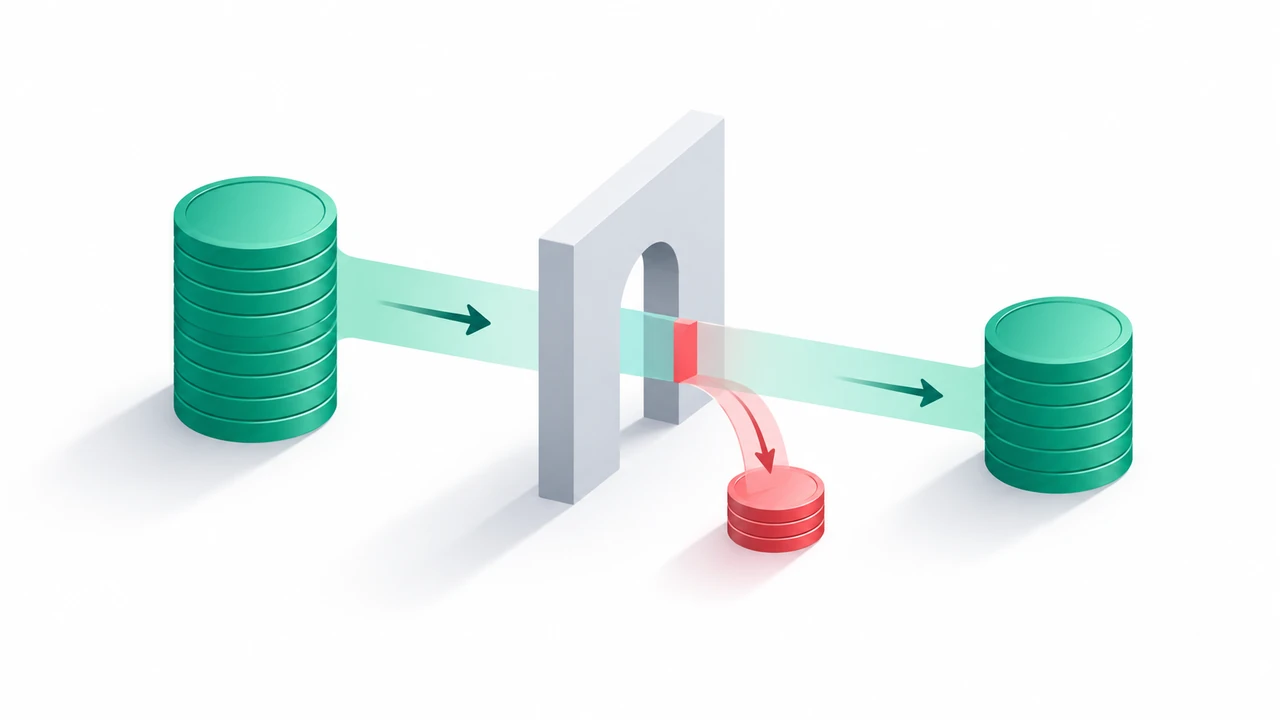
Of those four the conversion margin governs a casino player's real cost, and tier is the lever on it. The reason is structural rather than arithmetical: a margin applies to every crossing in both directions, so it is charged on money going out and again on the same money coming back. A flat sending fee is paid once per deposit and is visible. A margin is paid twice per round trip and is folded into a rate rather than itemised.
A tier touches nothing on the other side of the wallet. The operator's per-method minimum and maximum, its withdrawal limits and the days it takes to approve a request are set by the operator and published on its cashier page. A reading rule follows: if the wallet balance and the casino balance are both in Australian dollars, no margin is applied and the tier is worth very little to you.
The VIP tier schedule, and which fees a tier actually moves
Where the conversion happens, and who sets the rate
The most useful thing to understand about this rail is that conversion is applied at the wallet, not at the casino. A wallet can hold a balance in more than one currency, and when you pay a merchant that bills in a currency you do not hold, the wallet converts: it applies a reference rate, adds a margin, and the converted total is what leaves your balance.
Compare a card deposit, where your issuer converts and itemises it on a statement. Moving the conversion into the wallet has one advantage and one hazard. The advantage is that you can hold the casino's currency, convert once at a moment you pick, and transact afterwards without crossing a currency. The hazard is that the margin varies with your tier and is folded into a rate, so it does not read like a fee.
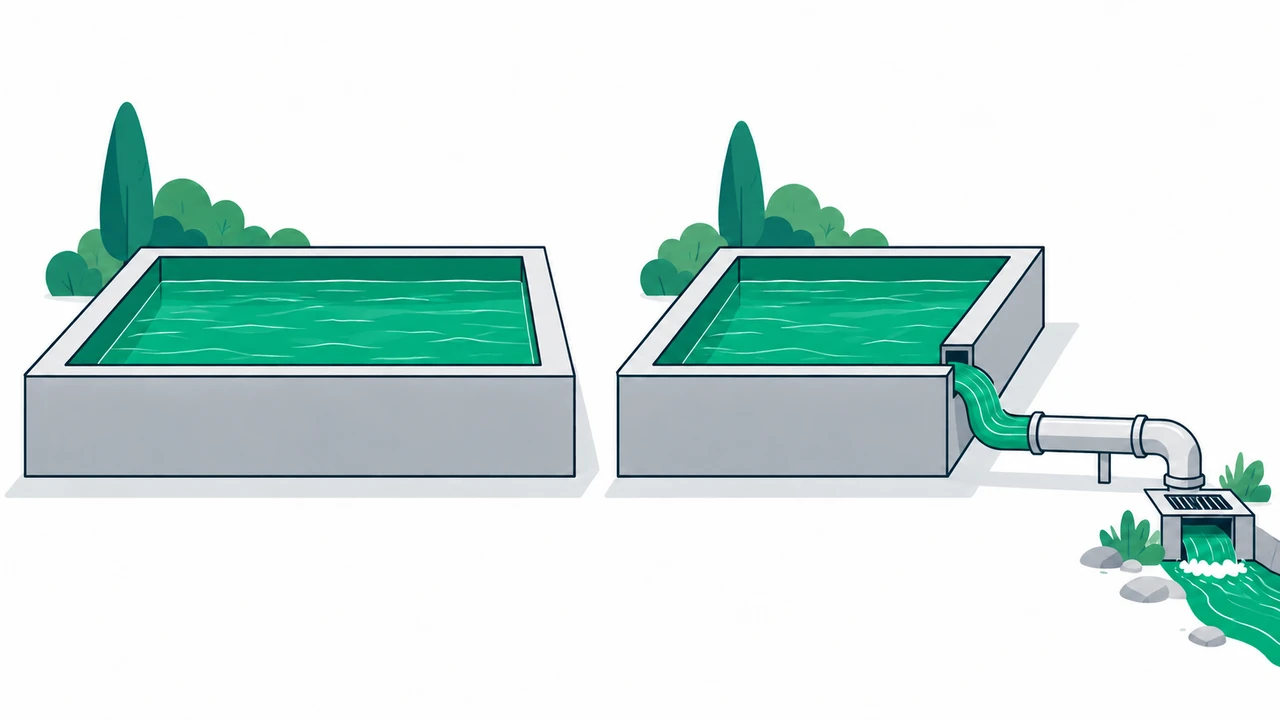
So the first question is not what the fee is but which currency the casino balance is denominated in. It is stated at registration, sometimes selectable only at registration, and often not changeable afterwards. Where it is selectable, matching it to a currency your wallet can hold removes a conversion from every transaction there. Where it is not, the operator's currency is a fixed cost of playing there.
Two details are easy to miss. A wallet holding several balances will generally spend from a matching balance if one exists and convert from a designated primary balance if not, so a small matching balance can drain silently and the remainder convert from elsewhere. And a payout arriving back in the casino's currency need not be converted at once: if you intend to deposit again, holding it there avoids a crossing in each direction.
Sponsored · WinCrown · 18+
200 free spins on selected slots
WinCrown free-spin offer. Check the eligible slots, qualifying deposit and full promotion conditions.
Work the arithmetic symbolically with the figures from your own schedule, because the shape of the result decides this and the shape does not depend on the numbers. Let m be the conversion margin your tier attracts, as a decimal, and p the payout you are bringing home.
The worst case is four conversions. Your bank converts Australian dollars into the wallet's primary currency on the way in; the wallet converts into the casino's currency at deposit; it converts the payout back on the way out; your bank converts to Australian dollars on the way home. Margins compound rather than add, so the surviving fraction is a product of four terms of the form (1 − m).
The best case is zero conversions and it is reachable: an Australian dollar funding source, an Australian dollar wallet balance, an Australian dollar casino balance. Nothing crosses a currency, so no margin applies at any crossing whatever your tier.
The common middle case is two. Hold the wallet in Australian dollars, deposit to a casino billing in another currency, and you pay m going out and m again coming back: the amount returning to your wallet is p(1 − m)(1 − m), which for small m is close to p(1 − 2m). Double the margin you read before comparing this rail with a bank transfer, or with a crypto rail costing network fees plus two spreads; those rails are set side by side on the payment methods comparison.
Conditions are published by the operator and change without notice. Read the live page before you act on anything here.
The deposit sequence, in the order the steps actually occur
A wallet deposit is two transactions presented as one, and running them in the wrong order is the commonest way a first attempt fails. Fund the wallet first, then fund the casino: the cashier cannot pull from a balance that is not there, and a wallet funded by bank transfer may not be spendable the moment the transfer is sent.
The sequence runs: register and complete the wallet's verification; add a funding instrument and move money in; confirm the balance has cleared in the currency you intend to spend; open the cashier, select the wallet, enter an amount inside the operator's stated minimum and maximum; authenticate in the wallet's own app or domain rather than on a page the casino serves. That last step is also a security test — a form asking for your wallet password inside a casino's frame is not how the rail works.
Two checks beforehand save a wasted deposit. Whether the operator lists the wallet for withdrawals as well as deposits, which is on the withdrawal tab and not the deposit tab. And whether its per-method minimum sits above the amount you meant to test with. Where this rail turns up in a lobby varies by build and market: whether Safe Casino or WinCrown presents a wallet of this family at the time you look is something to read on their live cashier tabs rather than from any page here.
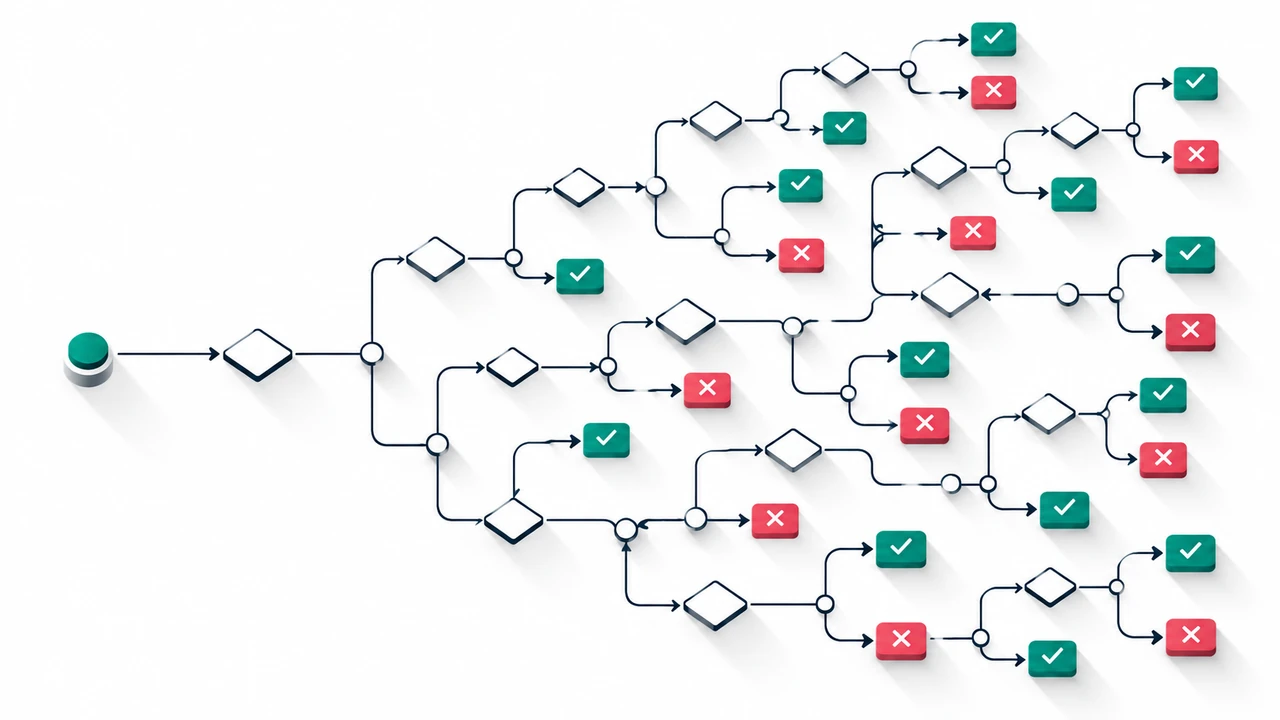
When a deposit is refused, the message names none of the five places it could have come from, so work through them rather than retrying. Your bank or card issuer, refusing the transaction that funds the wallet. The wallet, over verification status, a limit or a currency mismatch. The operator's processor, which is the layer that produces refusals carrying no stated reason. The operator, over a per-method limit or an outstanding verification step. And your own account status, including any limit or cooling-off period you set yourself.
The deposit sequence, in the order the steps actually occur
Return to source, and what the rule does to a wallet deposit
Most operators apply a closed-loop rule: funds are returned by the route they arrived on, up to the amount deposited by that route, with anything above it paid by a nominated alternative. Anti-money-laundering practice is the stated reason, and the clause usually sits in the general terms rather than on the cashier page.
A wallet is unusual here because the rule works in your favour. A voucher cannot receive a payment, so a voucher deposit forces the operator onto a fallback — ordinarily a bank transfer with its own verification step and a timeframe in business days. A wallet can receive, so the return path exists and the loop closes without a fallback. That is the strongest single argument for the layer.
The qualification is worth reading twice. Return to source returns to the source up to the deposited amount. Winnings above what you put in are not covered by the loop, and the terms decide where they go: the same wallet, a nominated bank account, or a route the operator picks. Establish which before you need it, because the difference between those outcomes is the difference between one transaction and three.
The instruction that follows is procedural. On the day of the first deposit, while nothing is pending, supply whatever the operator requires for the route that will carry amounts above your deposits — normally a nominated bank account in a matching name with documentary proof. Doing it after a request is submitted adds days at the moment the money matters, and the pending and reversal page covers what can happen to a request still in the queue.
Sponsored · Safe Casino · 18+
+250% welcome bonus
Safe Casino welcome offer. Check the qualifying deposit, bonus cap, wagering and eligibility before accepting.
Two verification files, and the name that must match in both
A wallet deposit does not reduce the verification you face; it adds a second file. The wallet verifies you as a payments customer — identity, address, sometimes the source of the money funding the balance. The casino verifies you separately as an account holder, on its own schedule and against its own document list.
The name is the hinge. The name on the wallet, on the casino account and on the instrument funding the wallet all need to agree, and a mismatch is found at the payout stage because that is when it is checked. A shortened first name, a maiden name on one document and a married name on another, a middle name present in one field and absent in another: each is enough to hold a withdrawal while it is resolved.
A wallet in someone else's name is not a workaround but a breach. Third-party payment clauses are near-universal, and the stated consequence commonly reaches the whole balance rather than only the transaction — which is also why a wallet funded by a partner's card can create a problem on an otherwise orderly account.
There is a genuine benefit alongside that. A verified wallet concentrates the payment-identity work into one place, so the instrument you present to each new cashier is already verified at the payments layer and you hand bank documents to fewer offshore operators. That is a privacy argument, not a speed one. Where a source-of-funds request arrives, note which layer sent it.
Why e-wallet deposits are singled out in bonus terms
Read the promotional terms before depositing through a wallet, not after. A clause excluding e-wallet deposits from promotional eligibility is among the most common provisions in the category, and it sits in those terms rather than on the promotion page. Where it applies, a qualifying deposit made through a wallet does not qualify and the bonus is simply not applied.
The reason is not arbitrary. A wallet deposit is harder for an operator to tie back to a single verified bank identity than a card or direct bank payment, which makes it the instrument of choice for multiple-account patterns. The exclusion is an anti-abuse measure drafted as a blanket rule because drafting it narrowly would defeat it.
Three variants exist and they are not equivalent: the method excluded from promotions outright; a reduced bonus percentage for wallet deposits; and the method excluded from the qualifying deposit while permitted for ordinary funding. The third catches people, because the deposit succeeds and the bonus silently does not attach. Nothing on the confirmation screen distinguishes them.
Where a bonus has attached, the wallet also meets the withdrawal floor. A satisfied wagering requirement produces no payable request if the balance sits below the cashier's minimum withdrawal for your rail, and a per-method minimum can sit above the general one. That collision is worked through on the maximum cashout page. Which operators run which offers is not this site's subject — pokiesledger.com (operator shortlists and bonus offers) compares operators.
No chargeback, and the dispute route a wallet leaves you
A card payment carries a reversal mechanism provided by the card scheme. A wallet transfer to a merchant does not. Once the payment has left the wallet and reached the operator's processor there is no scheme-level process by which you can compel its return, and the wallet is not a party to your dispute with the casino.
That cuts both ways. In your favour it removes a category of problem: a chargeback raised against a gambling transaction tends to end in a closed account and a forfeited balance whatever its merits. Against you, the only routes left when an operator will not pay are its own complaints process and whatever external body its licence names, both described on the failed withdrawal page.
What the layer does give you is a clean independent record. The wallet's transaction history is held by a payments firm rather than by the operator, it shows what left your balance and when, and the casino cannot edit it. Where an operator's position is that a deposit never arrived, that is the strongest document you can produce — export it, dated, at the time of the transaction rather than months later.
Operators offering online casino games to people in Australia do so from offshore. The Australian Communications and Media Authority's position is that online casino services cannot lawfully be provided to people in Australia, so the external body an offshore licence names is not an Australian regulator and is not reachable through Australian consumer channels. A bank-level gambling block exists to remove a mechanism, and a tool you route around is a tool you have disabled.
Whether the layer earns its keep, and what this page will not state
The decision rule is short enough to apply at the cashier. A wallet earns its layer when you want a payout route that exists rather than a fallback, when you would rather an offshore operator saw a payments firm than your bank details, and when you can arrange matters so nothing crosses a currency more than once. It does not earn it when the casino bills in a currency neither your bank nor your wallet holds, when the operator omits it from the withdrawal tab, or when the promotion you mean to claim excludes the method.
What this page does not assert is as much a part of it as what it does. No fee percentage, conversion margin, tier threshold, tier name, limit or processing timeframe appears above, because each varies by account status and market and is revised without notice. The authoritative figures are on Neteller's own fees, VIP and withdrawal pages, and the operator-side figures on the live cashier page. No operator is named here as supporting the wallet.
Nor does this page say whether the wallet is available to you. Availability of a payments product to Australian residents, and the features that come with it, are set by the provider and stated at registration — a question for the provider rather than a review site. Nothing here concerns game mechanics either: how a pokie's designed return works, and why no payment method alters it, is covered on pokiesalmanac.com (game mechanics, RTP, volatility).
Adults only. BetStop, the National Self-Exclusion Register, binds licensed Australian wagering providers and does not reach an offshore casino, while a bank-level gambling block and device-level blocking work without an operator's cooperation. A completed verification file and a satisfied wagering requirement do not establish that any particular withdrawal will be approved.
Three accounts stacked behind one deposit button — at a glance
Questions people actually ask
Can Australians use Neteller for casino deposits?
Whether the wallet is available to you is a question for the provider, answered at registration, and whether a given cashier lists it is on that operator's live deposit page. Neither answer can be given reliably by a third party. Note separately that the availability of a payment product says nothing about an operator's legal standing: online casino services are not licensed in Australia and every operator referred to here is offshore.
What fees does Neteller charge on a casino deposit?
Four charges can apply, all on the wallet's own fee schedule rather than on any cashier page: a currency-conversion margin added to a reference rate, a fee for sending money to a merchant, a fee for withdrawing the balance to a bank account, and in some cases an inactive-account charge. The amounts depend on your account tier, which is derived from activity over a rolling period. Read the schedule for your own tier, not a table copied onto a review site.
Where does the currency conversion happen?
At the wallet, in the normal case. If the casino bills in a currency your wallet balance is not held in, the wallet converts at a reference rate plus a margin when you send the payment, and converts again when a payout comes back. That is two margins on every dollar making a full round trip, which is why the figure should be doubled before you compare this rail with another one.
Can I withdraw casino winnings to Neteller?
The wallet is capable of receiving a payment, which is what distinguishes it from a voucher rail, but whether a particular operator offers it as a payout route is on that operator's withdrawal tab rather than its deposit tab. Check before the first deposit. Most operators return funds by the route they arrived on up to the deposited amount, so if the wallet is missing from the withdrawal list your deposit has already selected a fallback route you have not read.
Does a Neteller deposit qualify for a casino bonus?
Often not, and the clause is in the promotional terms rather than on the promotion page. E-wallet exclusions are among the most common provisions in the category and come in three forms: the method excluded from promotions outright, a reduced percentage for wallet deposits, or the method excluded only from the qualifying deposit. The third catches people, because the deposit succeeds and the bonus silently does not attach.
Can I chargeback a Neteller casino deposit?
No. A wallet transfer to a merchant carries no scheme-level reversal mechanism of the kind a card provides, and the wallet is not a party to a dispute between you and an operator. What the wallet does give you is an independent transaction record held by a payments firm rather than by the casino, which is the strongest document available if an operator's position is that a deposit never arrived.
How long does it take to move money from Neteller to my bank?
That is a separate transaction from the casino payout, with its own fee and its own timeframe, both on the wallet's withdrawal page. Treat it as a distinct leg and count it: a payout described as instant has only reached the wallet. An incoming payment may also attract a receiving fee at your own bank, which is your bank's fee schedule to state.
Is a wallet safer than giving a casino my card details?
It changes what the operator holds, which is a genuine privacy improvement rather than a guarantee. The operator sees a payments firm instead of a card number, and one verified wallet can face several cashiers without repeating bank-level disclosure. It does not reduce the verification you face — it adds a second file — and it removes the card-scheme reversal route, so it trades one protection for a different one.