Proof of address: accepted documents, the date window, and the mismatch that restarts the clock
An address check is the one part of verification where the document type matters less than two fields printed on it. What the reviewer compares is your name as it appears on your identity document and the address as it appears on your account profile, and a document that carries only one of them fails no matter which official body issued it. Add a date window that is counted from a date you may not be looking at, and most refusals on this check turn out to be mechanical rather than suspicious. This page sets out which documents clear the check, which are excluded by name, how the window is measured, and why a refused upload restarts the queue instead of resuming it.
Pokies Cashout · Payments and terms referencePublished Last reviewed Promotion figures supplied by site owner: 5 October 2026
Scope
Address proof only
Fields compared
Name on ID, address on profile
Most common refusal
Name or date, not the document type
Operators
Offshore - not AU licensed
Audience
18+ only
The two fields an address document is actually read for
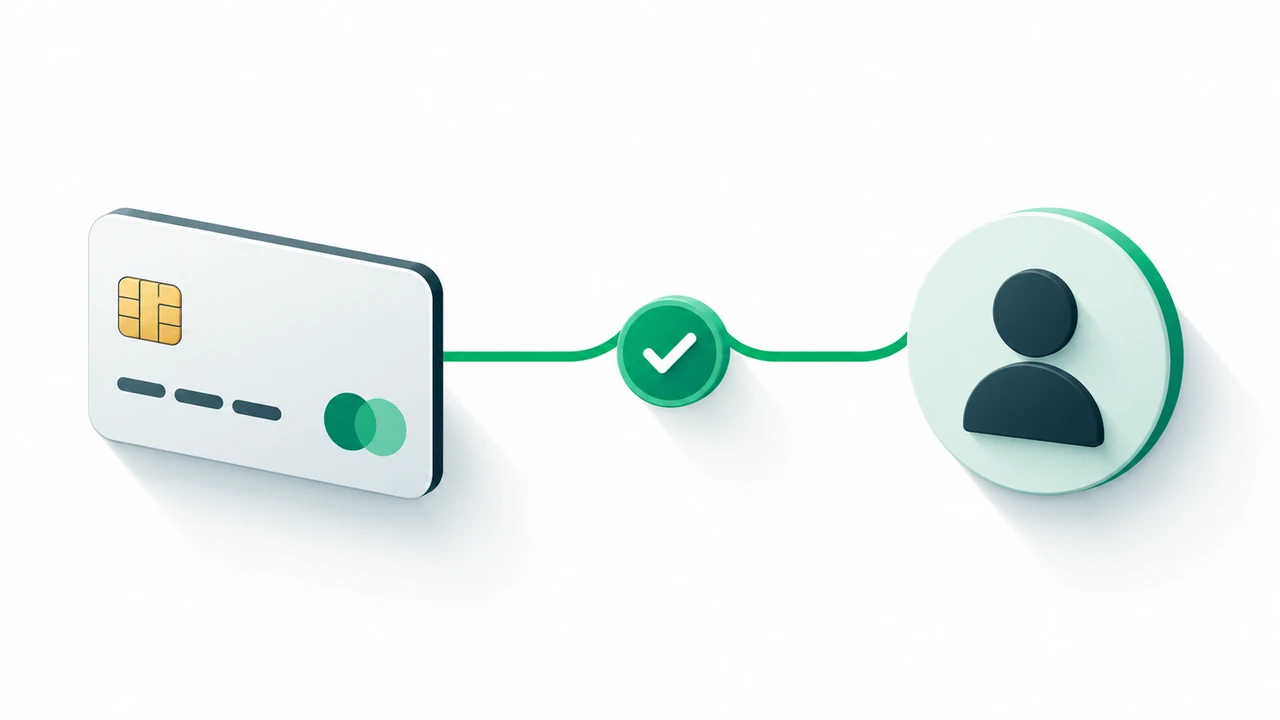
The document named in the request is not the thing being checked. An address proof has to carry two fields that are compared against two fields the operator already holds: your name as it is printed on your identity document, and the address as it is stored on your account profile. The document type is only the vehicle for those two fields. Anything that carries both legibly, from an issuer the operator recognises, inside the stated date window, does the job.
The two fields are assessed together rather than in sequence, and that is where most refusals come from. A rates notice in a partner's name at the right address proves the address and fails the name. A bank statement in your own name showing a previous address proves the name and fails the address. Neither half earns partial credit.
The address claim also sits apart from the other verification claims and substitutes for none of them. A driver licence carries a residential address, but many operators will not accept it as the address proof as well as the identity proof, because the point of a second document is corroboration from a separate issuer. Sending one file against two open requests is the commonest way to spend a cycle and learn nothing.
What the operator is satisfying here is not an Australian obligation. An offshore casino assembles its document list from the anti-money-laundering rules of whichever jurisdiction licenses it and the conditions its payment processors impose before they will keep settling transactions, and neither set of rules is reproduced on the cashier page. That is why asking which check a document is being requested for gets a more useful answer than asking why the last one was refused.
Sponsored partners · Display order is not an independent ranking.
18+ only. Availability depends on your location and eligibility. Any promotion is subject to the operator's live terms, including wagering, eligible games, maximum bets, expiry and cashout limits where applicable. Deposit and withdrawal methods, processing times and limits are set by the operator and its payment providers and are not guaranteed here. Offshore operator; not licensed to offer online casino services in Australia. Gambling involves financial risk. Checked: 2026-10-05. 18+. Gambling involves financial risk.
18+ only. Availability depends on your location and eligibility. Any promotion is subject to the operator's live terms, including wagering, eligible games, maximum bets, expiry and cashout limits where applicable. Deposit and withdrawal methods, processing times and limits are set by the operator and its payment providers and are not guaranteed here. Offshore operator; not licensed to offer online casino services in Australia. Gambling involves financial risk. Checked: 2026-10-05. 18+. Gambling involves financial risk.
The documents that usually clear an address check
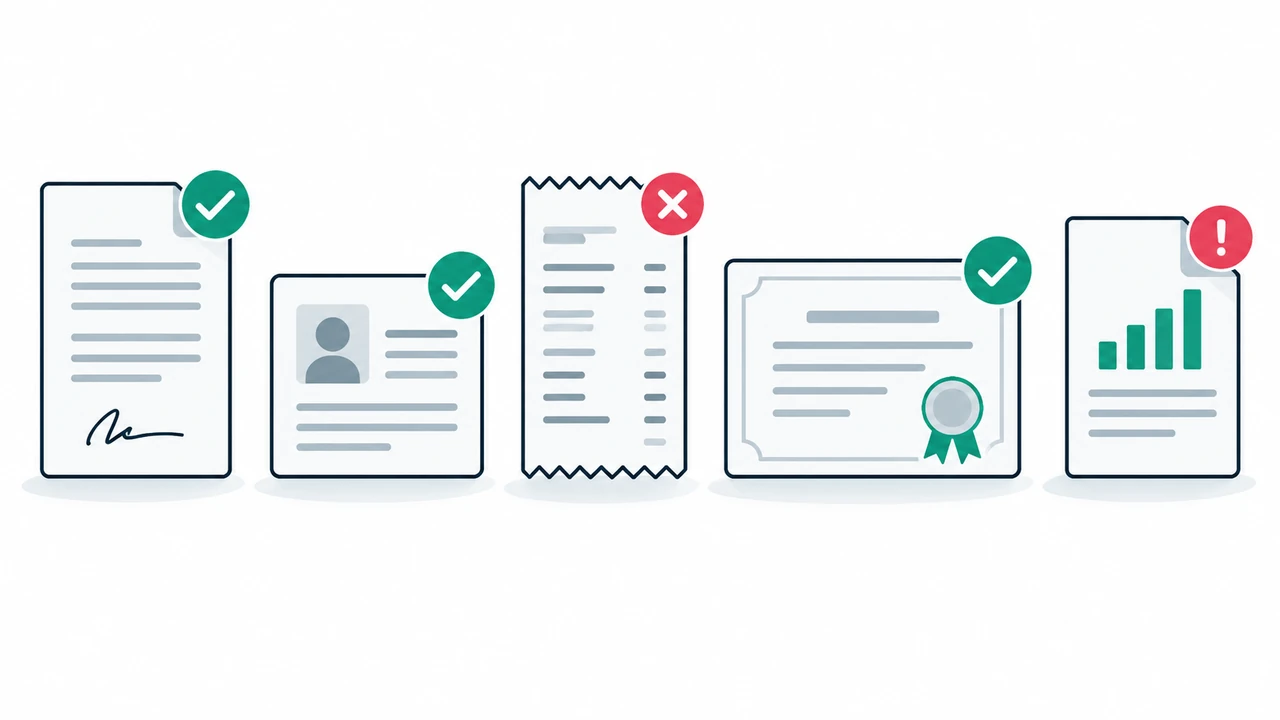
The strongest family is a utility account in your own name at the profile address: electricity, gas or water. These are preferred because the issuer verified the address itself in order to connect a service to it, and because the document prints a name, an address, an issue date and a billing period in fixed positions a reviewer can find without hunting.
Next sit documents from institutions and public bodies. A bank or credit union statement, a council rates notice, a land or water rates notice, and notices from government agencies are commonly on the accepted list for the same reason: the issuer holds a verified address on file. An insurance policy schedule and an electoral enrolment document are accepted at some operators and not others, so ask rather than assume.
Tenancy documents are the inconsistent category. A current lease or a rental ledger from a managing agent carries both fields and a date, and some lists accept them while others exclude agreements as too easily produced. Where a lease is your only option, ask whether it is accepted before you send it, because an off-list guess costs a review cycle.
Where this comes up at Safe Casino or WinCrown, the accepted list sits in each site's own verification or documents area rather than anywhere on this page, and what it says there on the day you upload is the version that governs. Document lists are revised without an announcement, so a list copied into a comparison page elsewhere can be months out of date while still reading as authoritative.
The documents that usually clear an address check
Document types that are refused by name rather than on quality
Some documents fail not because the photograph was poor but because the type is excluded, and a cleaner copy of an excluded type is wasted effort. Mobile telephone accounts surprise most people: they are commonly excluded, on the reasoning that a mobile service is not tied to a residence rather than to a person, and whether yours is excluded is something only the operator's own published list settles.
Anything addressed rather than issued is in the same group. An envelope, a parcel label, a delivery docket and a shipping confirmation all show an address you supplied to somebody else, which is the opposite of corroboration. The same reasoning excludes a document in which your address appears in a deliver-to field rather than as the account holder's address.
Documents the operator itself produced carry no weight either. A confirmation email from the casino, or anything generated inside the platform, cannot corroborate a field the platform already holds. Handwritten documents, documents you have typed yourself and anything edited to correct a field are refused, because an edit made in good faith is indistinguishable from one made in bad faith.
Then there is the category accepted as a type and refused as a file: an in-app screen that does not print an address at all. Many banking and utility apps show a balance and a due date on the summary and keep the address in a statement behind it, so a screenshot of the summary is a photograph of the wrong page. Read the exclusions before the inclusions, because that list is shorter and tells you what definitely will not work.
Sponsored · WinCrown · 18+
200 free spins on selected slots
WinCrown free-spin offer. Check the eligible slots, qualifying deposit and full promotion conditions.
The date window, and which of four printed dates gets read
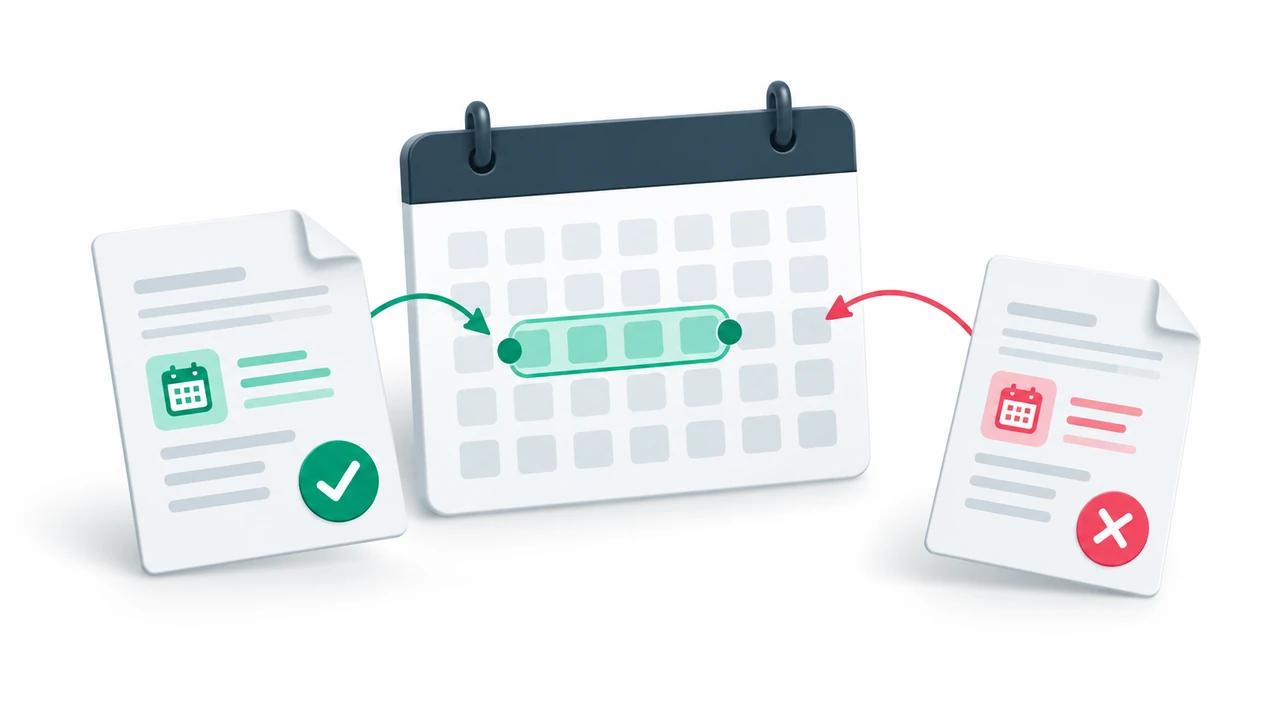
Every address check carries a recency requirement expressed as a period counted back from the day you submit. The length varies by operator and is set out on its verification page; this page prints no figure, because a stale number used with confidence is worse than no number. What matters is which date the period runs from, because a document can carry four and only one is read.
A utility account typically prints an issue date, a billing period, and a payment due date. A bank statement prints a statement period and, if you downloaded it, a generation or download date in the footer. The date a reviewer uses is the issue date or the end of the statement period, not the due date and not the day you generated the PDF. Regenerating an old statement today does not refresh it, and a footer timestamp showing today's date does not help.
Quarterly billing is where this bites. Suppose, as a supposition rather than any operator's figure, a window of three months and a utility account billed quarterly. For part of each quarter your newest bill is inside the window and for part of it the newest bill you possess is already outside it, through no fault of yours. That is the ordinary position of anyone whose only utility account bills quarterly, and the answer is a monthly-cycle document such as a bank statement.
Two further traps sit in the same place. A document dated in the future, which happens with annual notices issued for a coming period, can read as outside the window in the other direction at operators whose check is a simple comparison. And an annual rates notice is outside almost any window for most of the year, so the document many people reach for first is usable for a few weeks and then not. Obtain the newest available document and upload it in the same session: a statement downloaded a month ago has lost a month of its window for nothing.
Conditions are published by the operator and change without notice. Read the live page before you act on anything here.
Three names that have to agree, and the order to repair them in
The name on the address document is not compared against one record but sits in a chain of three: the name on your account profile, the name on your identity document, and the name on the payment method you deposited with. Each link is compared separately, often by software performing a string comparison rather than by a person using judgement.
The differences that break it are small and entirely innocent. A shortened first name on one document and the full legal name on another. A middle name present on the identity document and absent from the profile. A maiden name surviving on a utility account after a change of name elsewhere. A hyphenated surname rendered with a space, or two given names run together. None of these is a finding about honesty, and all of them stop a comparison.
Repair order matters and is reversed constantly. Change the profile to match the identity document, never the reverse, because the identity document is the fixed point in the chain and the only one you cannot amend. Expect the profile change itself to need review, in the same queue as everything else, which is the argument for getting the profile right at registration rather than mid-withdrawal.
The address field has its own version of the problem. A profile form may not have accepted a unit or level number, may have forced a state abbreviation, or may store the suburb where the document prints a locality. Where the two differ in formatting rather than substance, say so in the message with the upload so the discrepancy arrives explained rather than discovered. A deposit made from an instrument not in your own name is the harder case: it breaches most operators' terms outright, the address check is where it surfaces, and no document resolves it.
Three names that have to agree, and the order to repair them in
Why one refused field sends the review back to the start
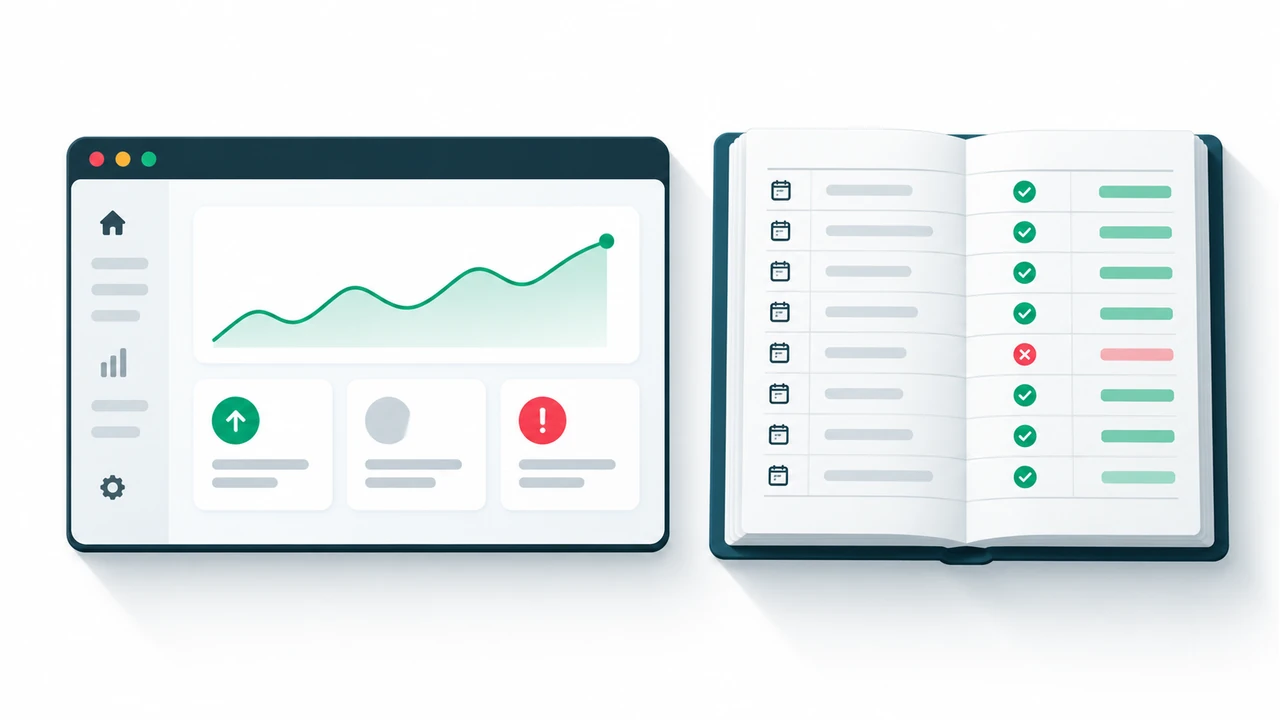
A refused document does not resume where it had reached. It re-enters the back of the same review queue as a fresh submission, with no credit for the days already served. That mechanic accounts for most of the distance between how long verification should take and how long it does, and it rewards a slow first upload over a fast one.
The arithmetic is unkind and worth seeing. Suppose a review cycle of a few working days, a figure that varies by operator and is not asserted here. One clean submission costs one cycle. A submission refused on the name, corrected, then refused on the date, corrected again, costs three, and neither later cycle ran faster for having been through the process before.
The defence is to close every open request in one session with every field checked beforehand. Confirm the name matches the identity document, the address matches the profile character for character, the date falls inside the window, and the file is the original rather than a screenshot. Then submit the set together, because some operators hold a partial set unreviewed until it is complete and do not say so in the interface.
Where a withdrawal already sits behind the check, the stage it is stuck in matters more than the document. The verification delay guide covers what to ask when a submitted set sits unreviewed, and the withdrawal times arithmetic separates the review wait from the payment wait that follows.
Sponsored · Safe Casino · 18+
+250% welcome bonus
Safe Casino welcome offer. Check the qualifying deposit, bonus cap, wagering and eligibility before accepting.
Sharehouses, rentals and a recent move: when no document fits
Every accepted document list assumes a householder with services connected in their own name, and many Australian players are not that person: sharehouses where bills sit with one tenant, rentals where water and council charges stay with the owner, anyone still in a family home, anyone whose services are bundled into rent. The gap is ordinary, not suspicious.
Name the circumstance in the account's message thread and ask which substitutes the list accepts before sending anything. Those usually considered are documents from bodies that verify an address themselves: a bank or credit union statement, a government agency notice, an insurance policy schedule, an electoral enrolment document. Do not send a bill in a housemate's or a parent's name with an explanation attached; it fails the name field regardless.
A recent move produces the situation in which every document you hold is correct and every one of them fails. The documents carry the old address, the profile may carry either, and the identity document carries whichever address was current when it was issued. No upload order fixes that, because the comparison is against the profile. Where the identity document still shows the previous address, setting the profile to match it is often the shorter road.
Either way, raise the change in writing first, stating that you have moved, which address you are asking the profile to hold, and which document will prove it. A profile address change triggers its own review at most operators, and running that alongside a contradicting address check is how one move becomes three cycles. Immediately after a move no document in your own name at the new address exists at all, so the options are to wait for the first bill cycle or to keep the profile on the previous address until one does.
Capturing a statement so the header and the date both survive
For anything issued by a bank or a utility, a document file downloaded from the provider beats a photograph every time. A PDF arrives machine-readable, so the name, the address and the date are parsed as text rather than inferred from pixels, and the whole page including the footer comes with it. A photograph of a screen adds reflections, moire and a cropped edge to a document that needed none of them.
Where a paper document is all you have, the capture rules are the ones that govern identity documents: a flat matte surface, even indirect daylight, no flash, the phone square above the page, the whole page in frame with a margin of surrounding surface visible. Then leave the file alone. Auto-enhance, filters, black and white conversion, straightening in an editor and cropping tightly to the page edge all make a file harder to trust rather than easier to read, and a detector uses the surrounding margin to find where the document ends.
Redaction on an address document runs the opposite way to redaction on a card. The identifying header is the document: your name, the address as the issuer prints it, the issue date or statement period, and the issuer's own identification. Covering any of those defeats the upload. Individual transaction lines are generally not the subject of an address check and are accepted covered at many operators. Say in the same message what you removed and why, so a reviewer does not read the gap as concealment.
Nothing else belongs in an upload: no internet banking login, no password, no one-time code, no full card security code. Log in and find the request inside the account rather than following a link from an email, never upload identity or address documents into a chat application or to an address outside the operator's own domain, and treat any request for a payment to release a withdrawal as the end of the conversation. The payment scam warning signs page covers how those approaches are framed.
The questions to put in writing, and what this page does not decide
Four questions, put in the account's own message thread before you upload, remove most of the guesswork: which types the list includes and which it excludes by name, how recent the document must be and from which printed date that is counted, which address the profile currently stores, and which documents have already been accepted. A written answer with a date on it outranks any page, including this one.
Then keep a record of what you sent: the document type, the date printed on it, the date you uploaded it, and what any refusal said. Four lines per submission. After one round trip you know your operator's window and its reading of the name field better than any published summary does.
Two neighbouring subjects belong to the sibling sites. Which operators to shortlist and which current offers are worth comparing sits with pokiesledger.com (operator shortlists and bonus offers), and how a game is built, what its designed return is and how its volatility behaves sits with pokiesalmanac.com (game mechanics, RTP, volatility). No verification step changes a game's designed return.
Three things are deliberately not asserted. No figure for any operator's date window, review time or document count, because those are set per operator and per licensing jurisdiction and revised without notice; the operator's verification page and its terms hold the current figure. No claim that any list here is complete for a given operator, because lists differ and exclusions differ more. And no suggestion that any of this is licensed in Australia: ACMA's position is that online casino services cannot lawfully be provided to people in Australia, and every operator referred to on this site is offshore.
Gambling is for adults only. If the point of getting verified has become reaching money faster rather than getting an administrative task finished, that is worth noticing on its own account, and free confidential support is available in Australia on 1800 858 858.
The two fields an address document is actually read for — at a glance
Questions people actually ask
What counts as proof of address for a casino in Australia?
A document in your own name, at the address stored on your account profile, from an issuer that verified the address itself and inside the operator's stated date window. Utility accounts, bank and credit union statements, council or water rates notices and government agency notices are the usual families. The operator's own verification page is the authority on which types it accepts and which it excludes.
How recent does a casino proof of address have to be?
The window is set by the operator and published on its verification page, so no figure for it appears here. What matters more is which date is counted: reviewers read the issue date or the end of the statement period, not the payment due date and not the day you generated the PDF. Regenerating an old statement today does not refresh it.
Can I use my driver licence as proof of address?
Often not, even though it prints a residential address. It is already doing the identity job, and the point of a second document is corroboration from a separate issuer. Ask whether the licence is accepted for both claims before you submit it twice, because sending one file against two open requests is the commonest way to lose a review cycle.
Why was my utility bill rejected for a casino address check?
The three usual causes are a name that does not match the identity document, an address that does not match the profile, and a date outside the window counted from the issue date. Type exclusions are the fourth: mobile telephone accounts are commonly excluded, and the operator's verification page is where that list is published. Ask which field failed rather than resubmitting a cleaner copy of the same file.
What if I live in a sharehouse and no bill is in my name?
Say so in the account's message thread and ask which substitutes the list accepts before sending anything. Documents from bodies that verify an address themselves are the usual alternatives, with a bank or credit union statement the most widely accepted and the easiest to keep inside a tight window. Do not send a bill in a housemate's name with an explanation attached; it fails the name field regardless.
I have just moved and have nothing at the new address. What now?
Raise it in writing before uploading. Decide which address the profile should hold, bearing in mind that the identity document is the fixed point and the profile is the field that moves. Either wait for the first bill or statement cycle at the new address, or keep the profile on the previous address until a document exists, and read what the operator's terms require about keeping registration details current.
Does a rejected document restart casino verification?
Effectively, yes. A refused document re-enters the back of the same review queue as a new submission rather than resuming where it had reached, with no credit for the wait already served. That is why fixing one field at a time, round after round, can take several times longer than a single careful pass, and why it is worth closing every open request in one session.
Should I cover anything on a bank statement before uploading it?
Keep the identifying header fully readable: your name, the address as the bank prints it, the statement period and the issuer's identification. Covering any of those defeats the document. Individual transaction lines are generally not the subject of an address check and are accepted covered at many operators. State in the same message what you removed and why.